Stripping and cleaning of beams, stone and brick
Stripping removes varnish, paint, soot and grime from wooden beams, stone and exposed brick, and it is also the essential prior step before treating the wood against woodworm or termites. At ERRADICAT we work on site, without dismantling the structure, using soft-abrasive blasting adjustable down to 0.2 bar, a long way from traditional sandblasting: we restore the original look of the wood and leave its pores open so the preservative penetrates properly, deep into the wood. No-obligation inspection and quote in Barcelona and Girona.
- Soft-abrasive blasting adjustable from 0.2 bar
- Chemical-free, odour-free option: sodium bicarbonate and water
- On-site work, no dismantling, with dust containment
Request your no-obligation visual inspection
We reply within 24 hours.
Send us your enquiry
We serve the provinces of Barcelona and Girona.
* Required fields
0.2 bar
minimum pressure of the microparticle blasting, far below traditional sandblasting
Source: IBIX Sistemas de Arenado
0.2-9 bar
adjustable pressure range by surface and abrasive grain; on delicate heritage pieces it stays below 1.5 bar
Source: IBIX Sistemas de Arenado
3 techniques
of stripping (manual, chemical and soft-abrasive blasting) adapted to each material and finish
No chemicals
blasting with sodium bicarbonate and water uses no chemical products and leaves no odours
Source: IBIX Sistemas de Arenado
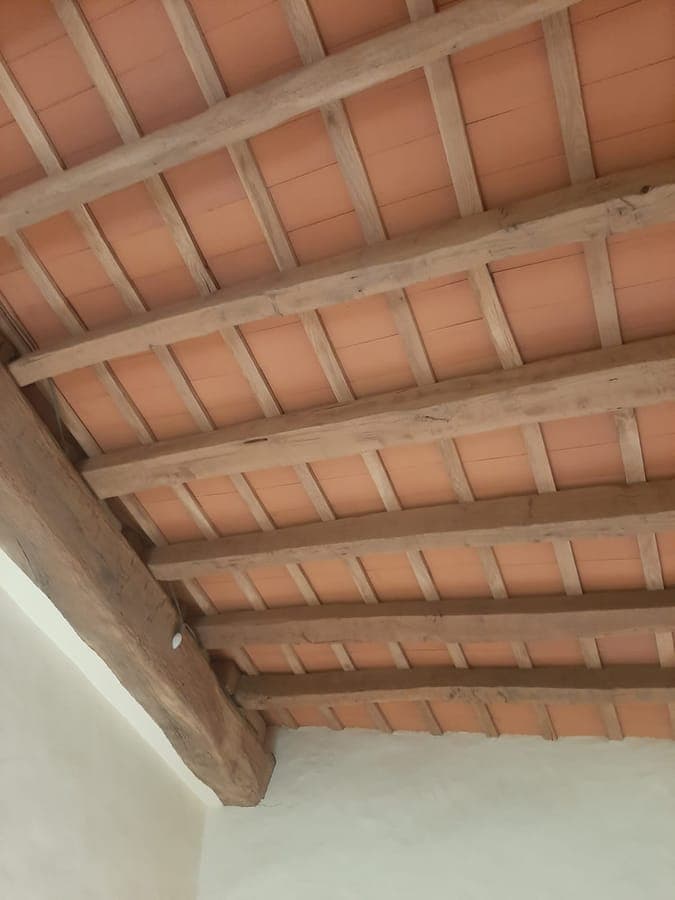
What is stripping and why is it the prior step to wood treatment?
Stripping and cleaning is a restoration service that removes varnish, paint, soot, smoke and grime from wooden beams, stone walls, exposed brick and ceilings. It is not a biocidal or pest control service in itself: it is, above all, the best possible preparation before treating the wood against woodworm (Anobium punctatum) or termites, because the wood must be left bare for the insecticide-fungicide to penetrate. At ERRADICAT we work on site, without dismantling the structure and with dust containment, across Barcelona and Girona.
We adapt the technique to each material: manual stripping (sanding, brushing, scraping), chemical stripping with gels that are applied and removed, and soft-abrasive dry blasting. This microparticle blasting is adjustable and works at low pressure, from 0.2 bar, so pressure and abrasive grain can be tuned to each surface. Very often, removing the surface layer reveals the frass and galleries of woodworm, showing the real extent of the infestation.
Strip before treating woodworm
Varnish or paint stops the insecticide-fungicide from penetrating. After stripping, the wood is left with its pores open and absorbs the preservative properly, so it penetrates deep into the wood once that layer is removed. We carry out the stripping and the wood treatment back-to-back with a single team.
See the woodworm treatmentHeritage restoration without harming the substrate
In farmhouses, old houses and listed buildings we adjust pressure, abrasive and grain to each material to respect the original patina of exposed wood, stone or brick. On delicate pieces we use selective micro-abrasion at low pressure, never above 1.5 bar, lifting the grime without damaging the original substrate.
Surfaces and stripping techniques
There is no single way to strip. We adapt the method and the abrasive to each material and each type of coating to be removed, to recover the original look without harming the substrate.
Manual stripping (sanding, brushing, scraping)
Mechanical removal of layers of paint, varnish or limewash by sanding, brushing and scraping. It is the most controlled technique for small interventions and for preparing details before a finish or a wood treatment.
Chemical stripping with gels
We apply stripping gels that soften the coating and are then removed, dragging away paint, varnish or caked grime. Useful when there are many overlapping layers or mouldings the abrasive cannot reach well.
Soft-abrasive blasting (dry blasting)
Microparticle blasting adjustable at low pressure, from 0.2 bar, a long way from traditional sandblasting. Depending on the material we use glass microspheres, sodium bicarbonate or walnut shell; bicarbonate-and-water blasting uses no chemicals and leaves no odours, ideal for exposed wood, stone or brick while respecting the patina.
When do you need stripping?
Stripping makes sense for aesthetic and restoration reasons and, above all, to prepare the wood before a woodworm or termite treatment. If you recognise yourself in any of these cases, a technical visit will tell you the best way to proceed.
How we strip and prepare the wood
Our protocol combines the right technique for each material with the option of following straight on with the wood treatment: with the wood left bare and its pores open, the preservative penetrates and gains effectiveness, whether applied by impregnation, spraying or pressure injection.
Advice and inspection
A technical visit to assess the material (wood, stone or brick), the condition of the coating to be removed, the total surface area and the access. We check whether there is frass or woodworm galleries under the surface layer and define the right technique. We deliver a no-obligation quote.
Tailored solution
We strip on site with the chosen technique (manual, chemical or soft-abrasive blasting) and the specific abrasive for each surface: microspheres, sodium bicarbonate or walnut shell. We work without dismantling the structure, with dust containment and protecting furniture and floors.
Preparation and follow-on treatment
We leave the wood with its pores open so it absorbs the preservative. If woodworm or termites appear, we follow straight on with the wood treatment, using an authorised biocide (TP8) from the Biocide Register of the Spanish Ministry of Health, applied by staff holding the biocide applicator licence.
Why choose ERRADICAT?
What sets us apart on every job
Soft-abrasive blasting at low pressure
Dry blasting adjustable from 0.2 bar by surface and grain, far below traditional sandblasting, so the substrate is never harmed.
Technique adapted to each material
Manual, chemical or mechanical stripping and a specific abrasive (microspheres, bicarbonate or walnut shell) depending on whether it is wood, stone or brick.
Optimal preparation for wood treatment
We leave the wood with its pores open so the preservative against woodworm or termites penetrates deeply and gains effectiveness.
Chemical-free, odour-free option
Blasting with sodium bicarbonate and water uses no chemical products and leaves no odours, ideal for restoring delicate wood and stone while respecting the patina.
On-site work with dust containment
We strip beams and ceilings without dismantling the structure, protecting furniture and floors and keeping dust inside the home to a minimum.
One team from start to finish
We carry out the stripping and the wood treatment back-to-back with a single team: removing the surface layer reveals the frass and galleries that show the extent of the woodworm.
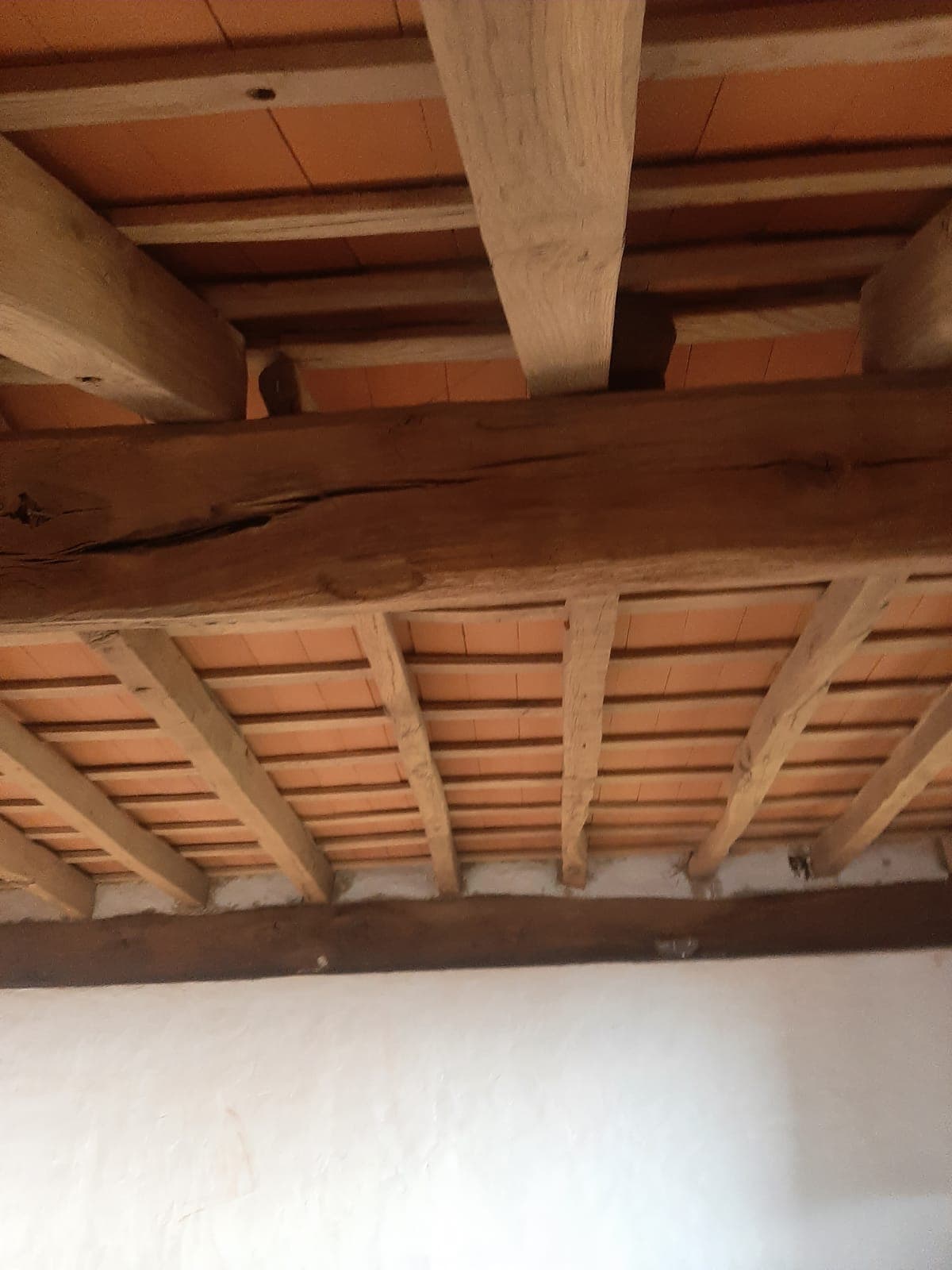
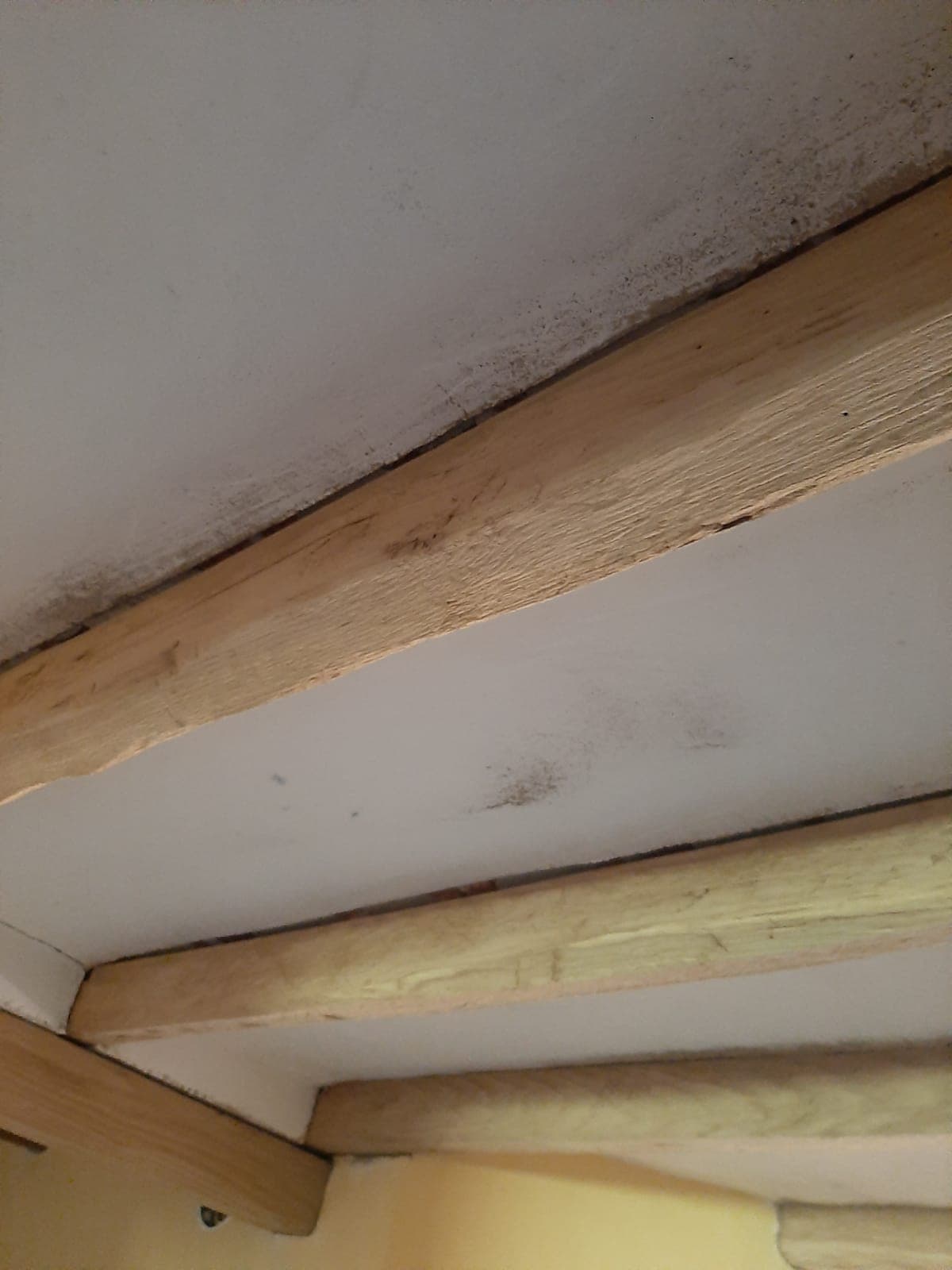
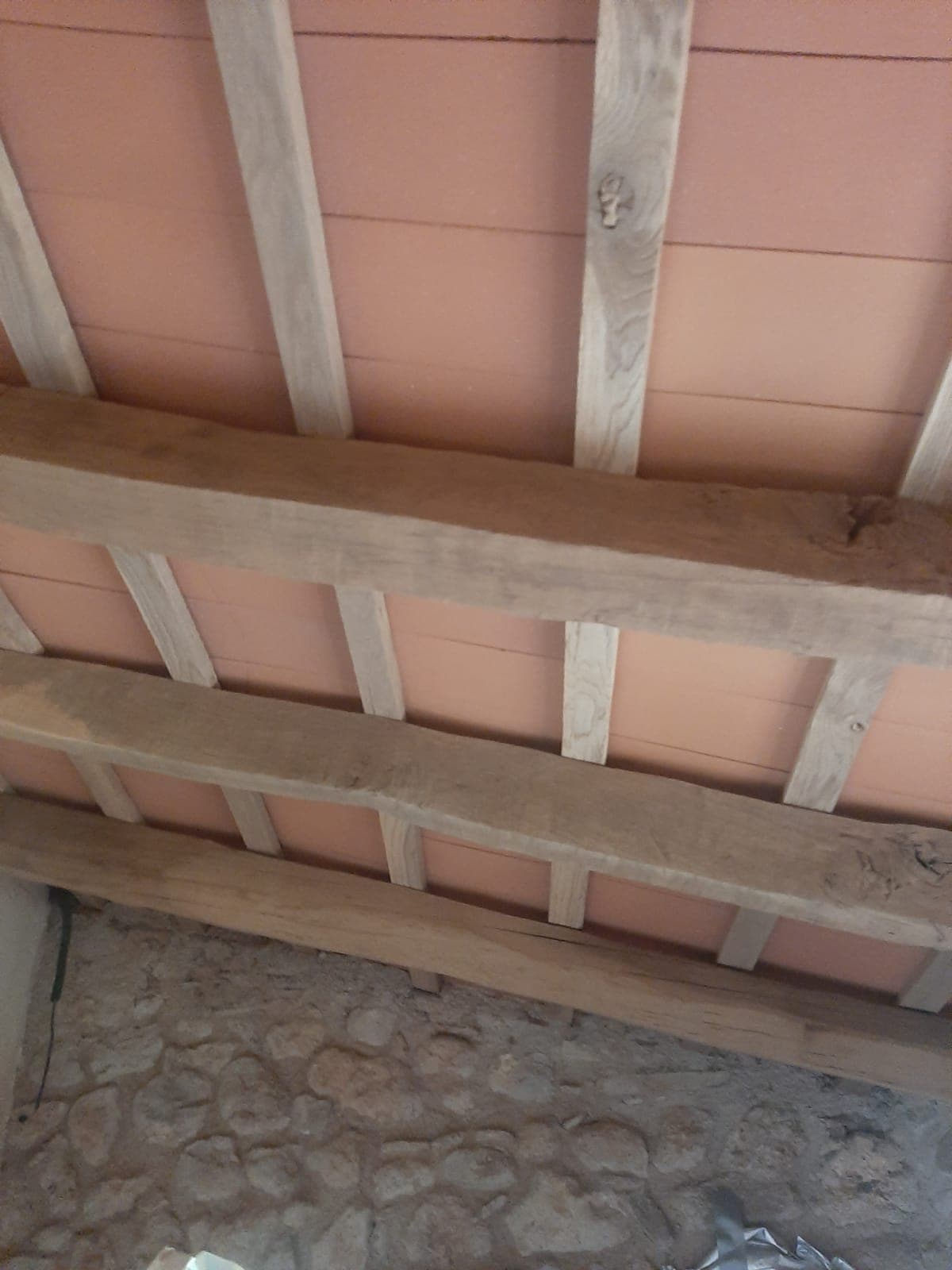
Local experts in stripping and restoring wood and stone
We work across the provinces of Barcelona and Girona: homes under renovation, farmhouses and country houses, lofts, homeowner communities and building and renovation companies. We recover wooden beams, stone walls and exposed brick while respecting their original patina, and when stripping is followed by a wood treatment we apply it with biocides authorised by the Spanish Ministry of Health and technicians holding the biocide applicator licence.
Frequently asked questions
The questions we hear most before a visual inspection
How much does stripping and cleaning beams or walls cost?
The cost is adjusted to each case, because it depends on the total surface area, the material (wood, stone or brick), the technique required, the condition of the coating to be removed and the access. We make a no-obligation assessment visit and deliver a tailored quote in Barcelona and Girona, with no commitment on your side.
How do I know if my beams or walls need stripping?
Stripping makes sense when beams or furniture carry layers of paint, varnish or limewash that hide the grain, when the wood is blackened or caked and its real condition cannot be seen, or when a stone or exposed-brick facade has darkened from damp or pollution. It is also essential before applying a treatment against woodworm or termites, since the wood must be left bare for the product to penetrate.
Is stripping essential before treating the wood against woodworm or termites?
Yes, and it is the most advisable route. Varnish or paint stops the insecticide-fungicide from penetrating; after stripping, the wood is left with its pores open and absorbs the preservative properly, so it penetrates deep into the wood once that surface layer is removed.
Does stripping create a lot of dust, or do the beams have to come down?
We work on site, without dismantling any structural element, and with dust containment protecting furniture and floors. The abrasive blasting is also adjustable and works at low pressure, from 0.2 bar, which reduces the impact. If you want the cleanest environmental option, blasting with sodium bicarbonate and water uses no chemicals and leaves no odours.
Is it safe for old or heritage materials?
Yes. We adjust pressure, abrasive and grain to each material to respect the patina of exposed wood, stone or brick. In heritage restoration we use selective micro-abrasion at low pressure, never above 1.5 bar on delicate pieces, lifting the grime without harming the original substrate.
What happens if woodworm galleries appear while stripping?
It is common: removing the surface layer often exposes the frass and galleries of woodworm, revealing the real extent of the infestation. In that case we follow the stripping straight on with the corresponding wood treatment. Stripping is not a biocide in itself, but the preservative we then apply is an authorised biocide (TP8) from the Biocide Register of the Spanish Ministry of Health, applied by staff holding the applicator licence.
Want to restore your beams, stone or brick?
Ask for a no-obligation assessment visit. We evaluate the material and the condition of the coating, tell you the best technique for each surface and, if needed, follow straight on with the treatment against woodworm or termites.
No obligation · Reply within 24 h · Barcelona and Girona