Termite control and treatment
- Company registered with the ROESP
- Technicians with a biocide applicator licence
- Written guarantee, 3 years from the certificate of colony elimination
Subterranean termites (Reticulitermes spp.) are present in 80% of Spanish municipalities and work silently inside the timber. At ERRADICAT we detect them with acoustic AUDIOTERMES equipment and eliminate the entire colony with bait stations, with checks every 6-8 weeks and a 3-year written guarantee from the certificate of colony elimination. Free visual inspection in Barcelona and Girona, no obligation.
- Detection with AUDIOTERMES equipment, no destructive works
- Elimination of the whole colony with bait stations
- 3-year guarantee from the certificate of colony elimination, with an annual inspection
Request your no-obligation visual inspection
We reply within 24 hours.
Send us your enquiry
We serve the provinces of Barcelona and Girona.
* Required fields
80%
of Spanish municipalities have subterranean termites
Source: ANECPLA / IPNA-CSIC
+90%
of buildings built before 1920 have a timber structure
Source: ANECPLA
Millions
of individuals can make up a single colony, active 24/7
Source: Anticimex
+20 years
of proven effectiveness of the baiting system in Spain
Source: IPNA-CSIC · J. Econ. Entomol.
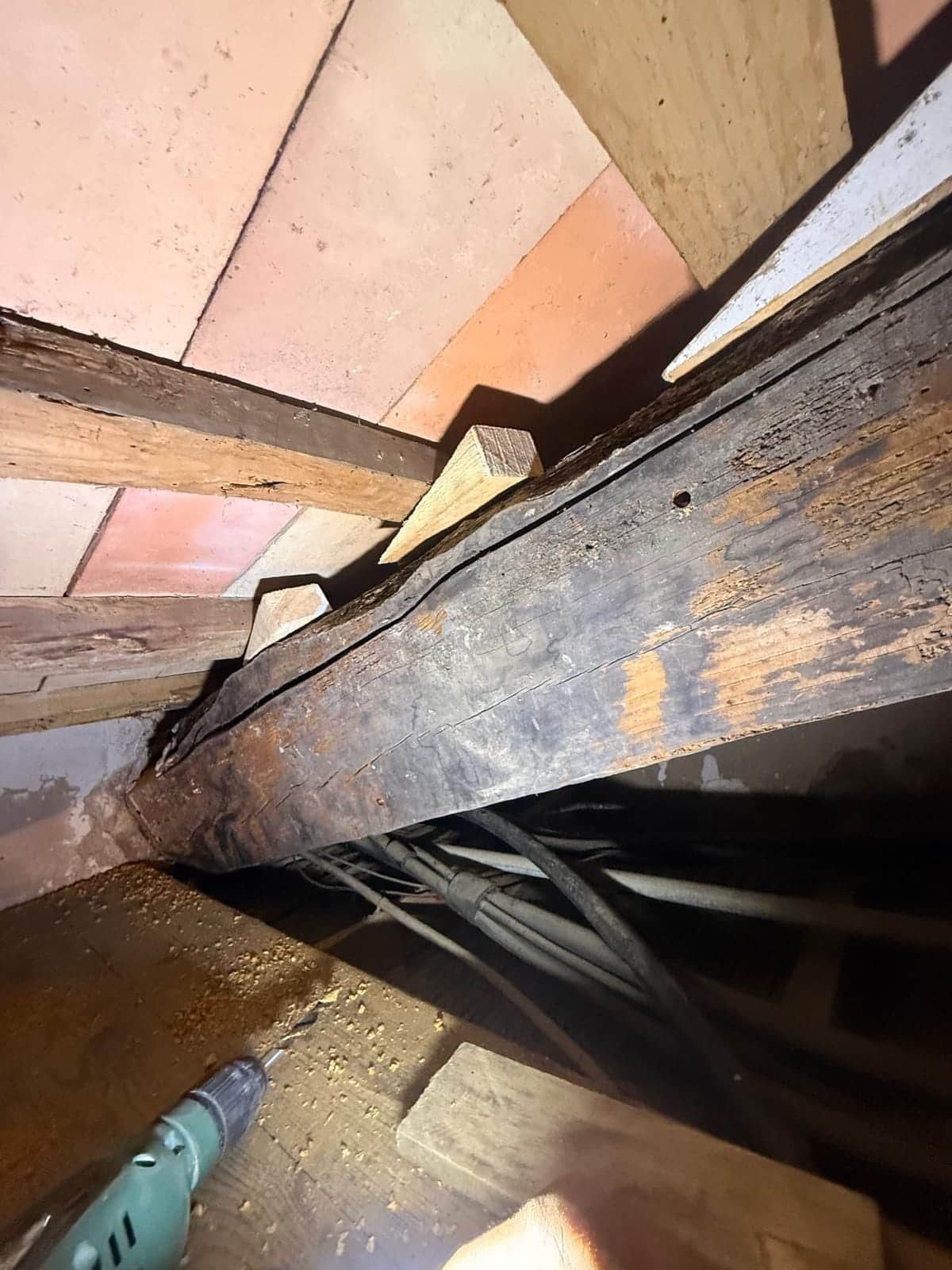
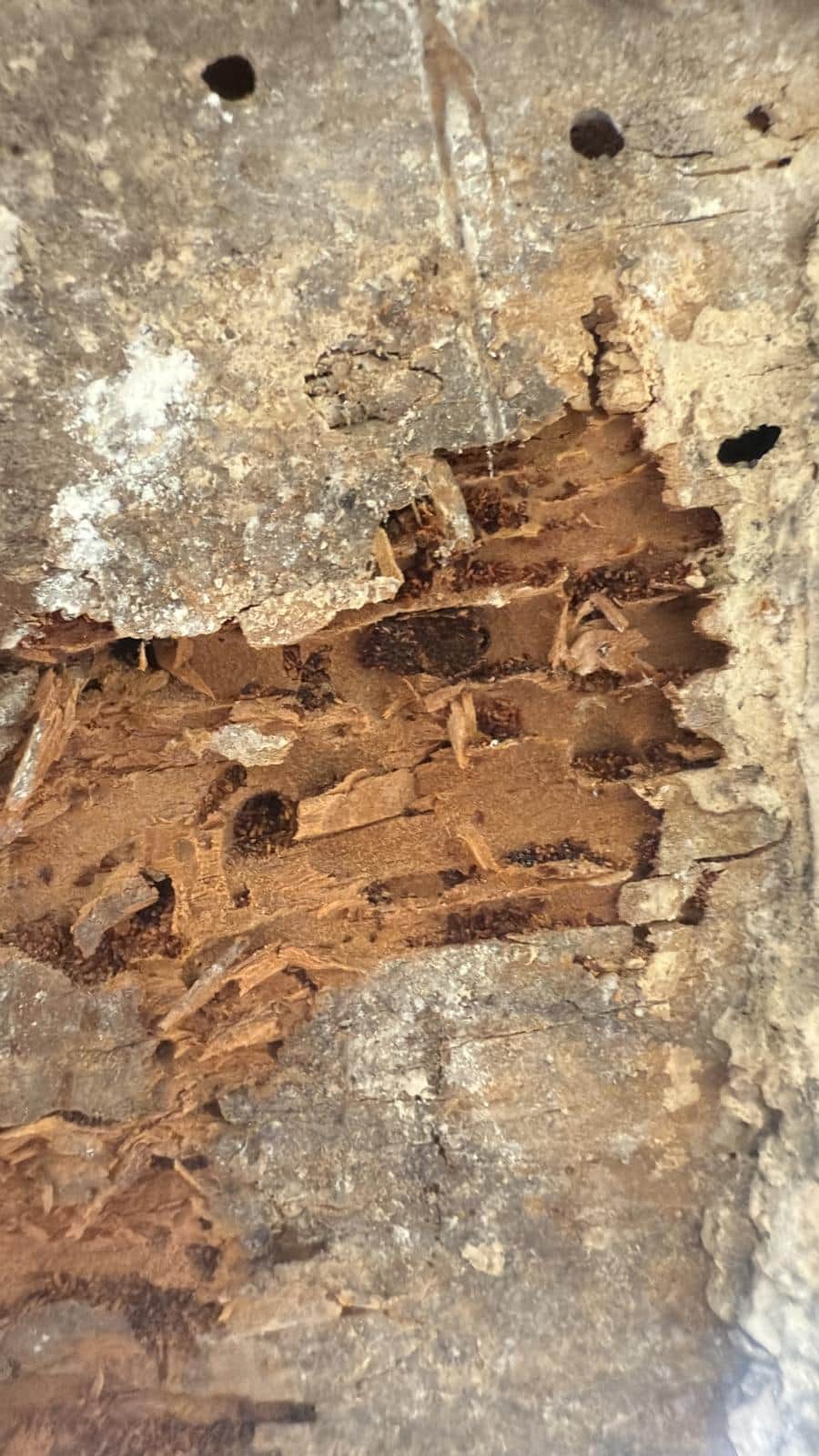
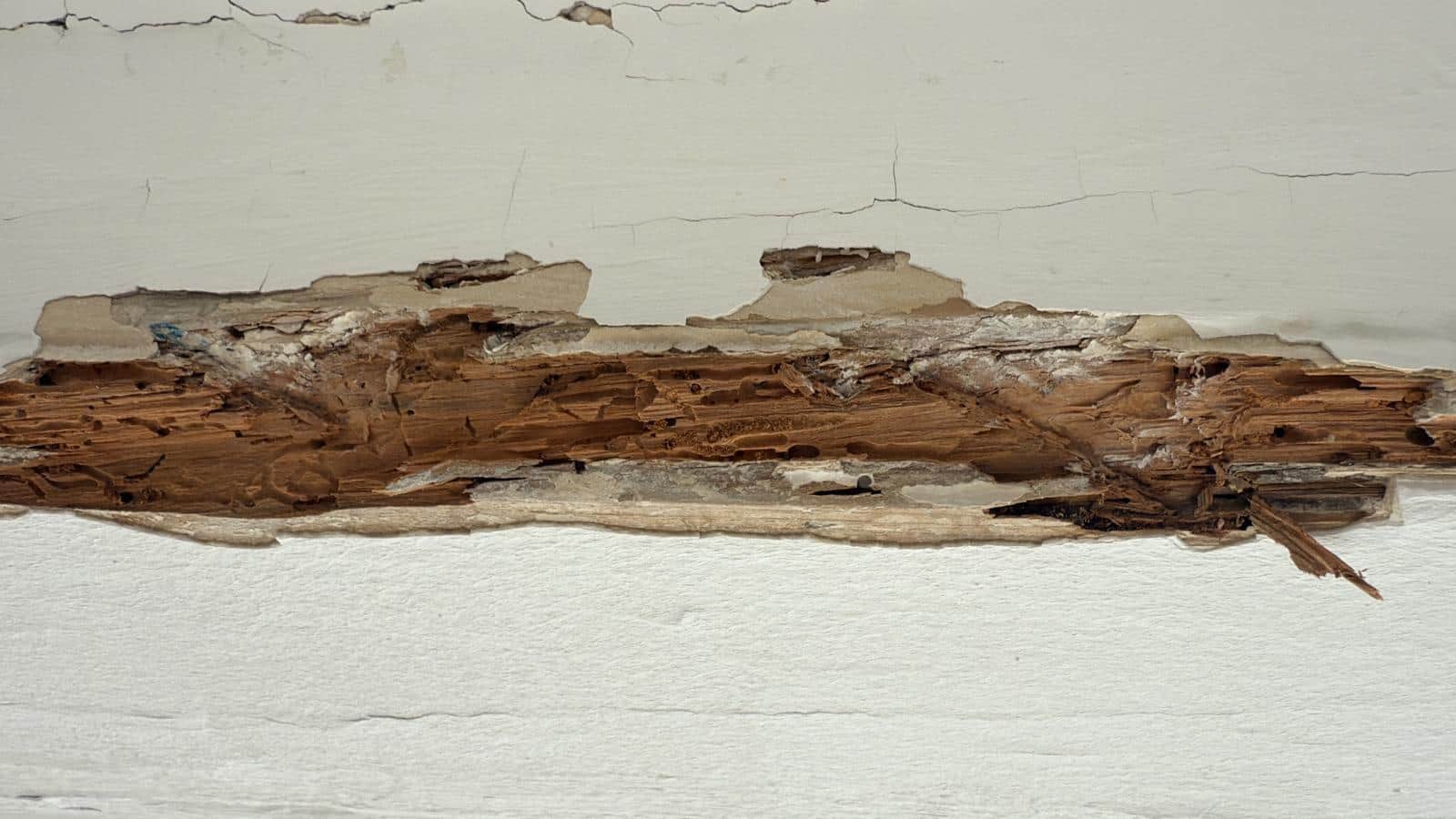
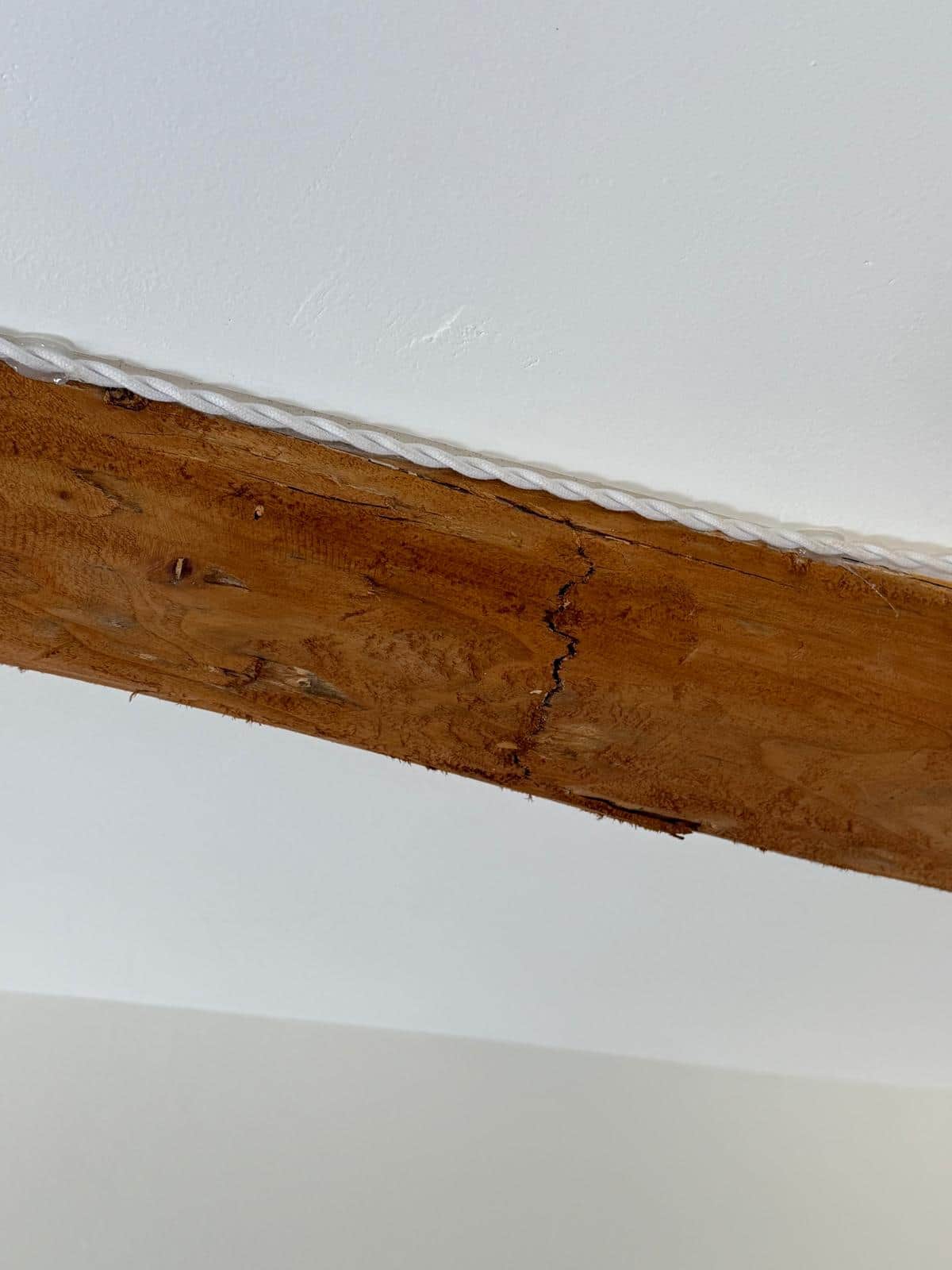
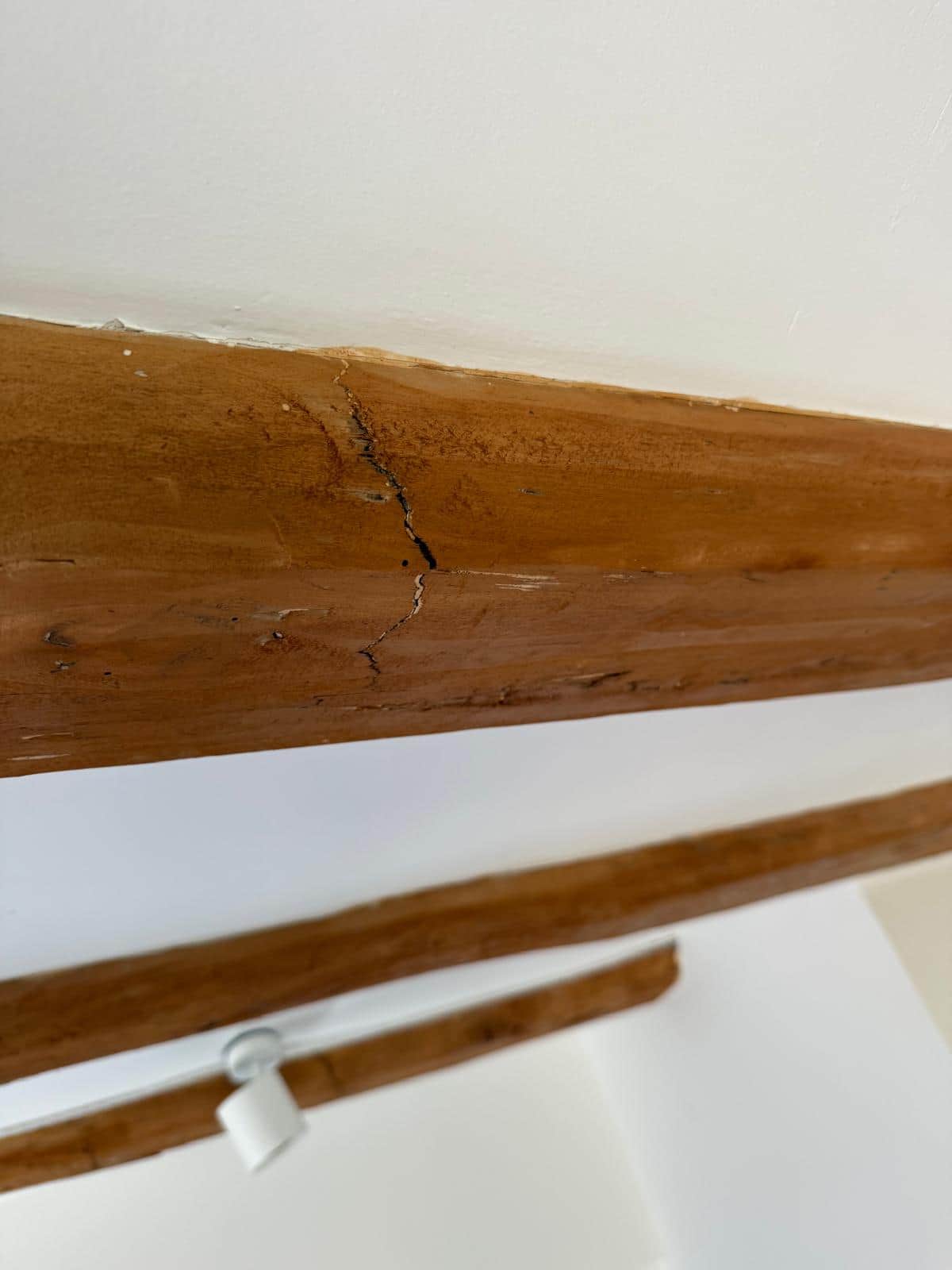
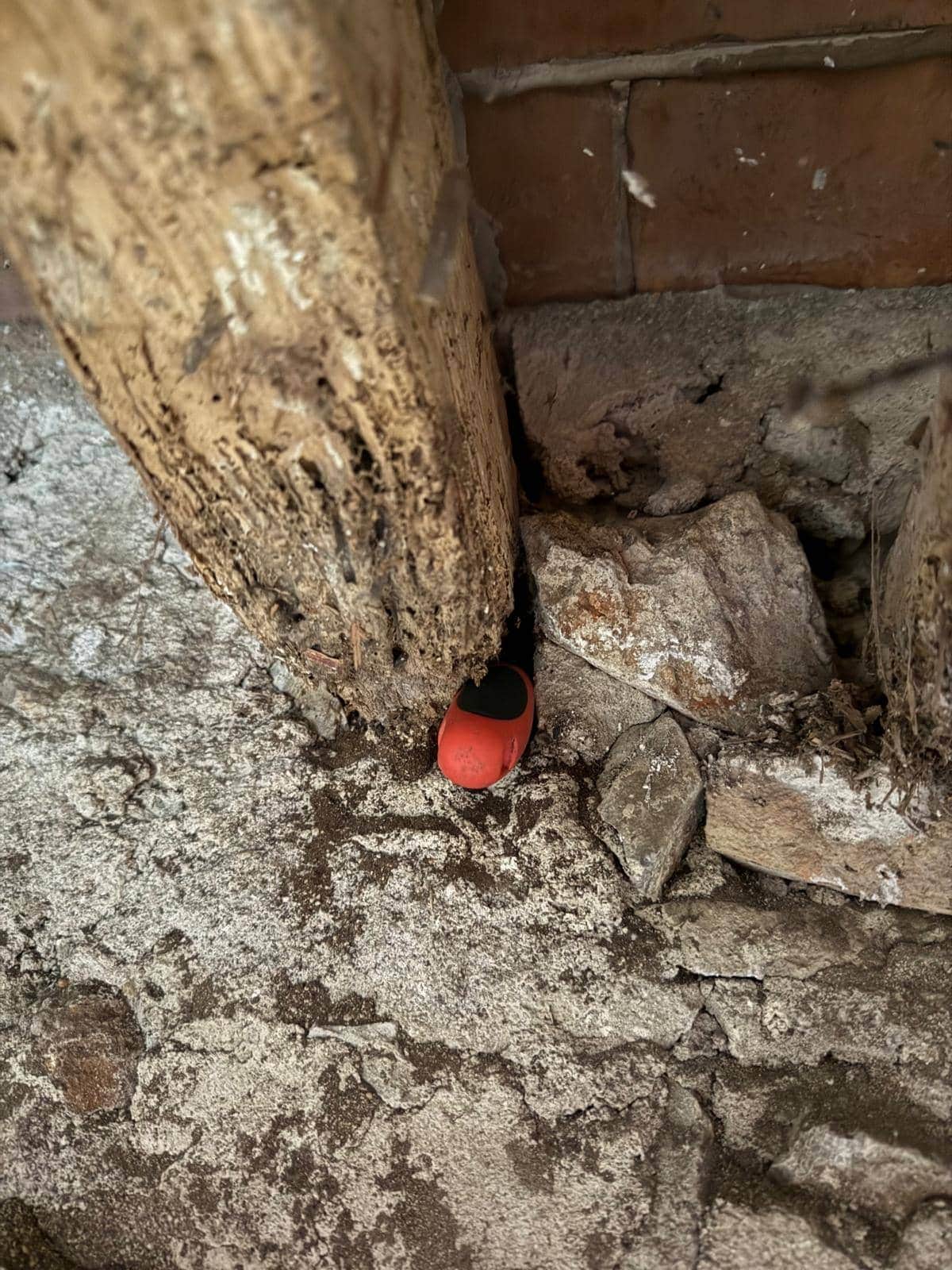
Damaged timber
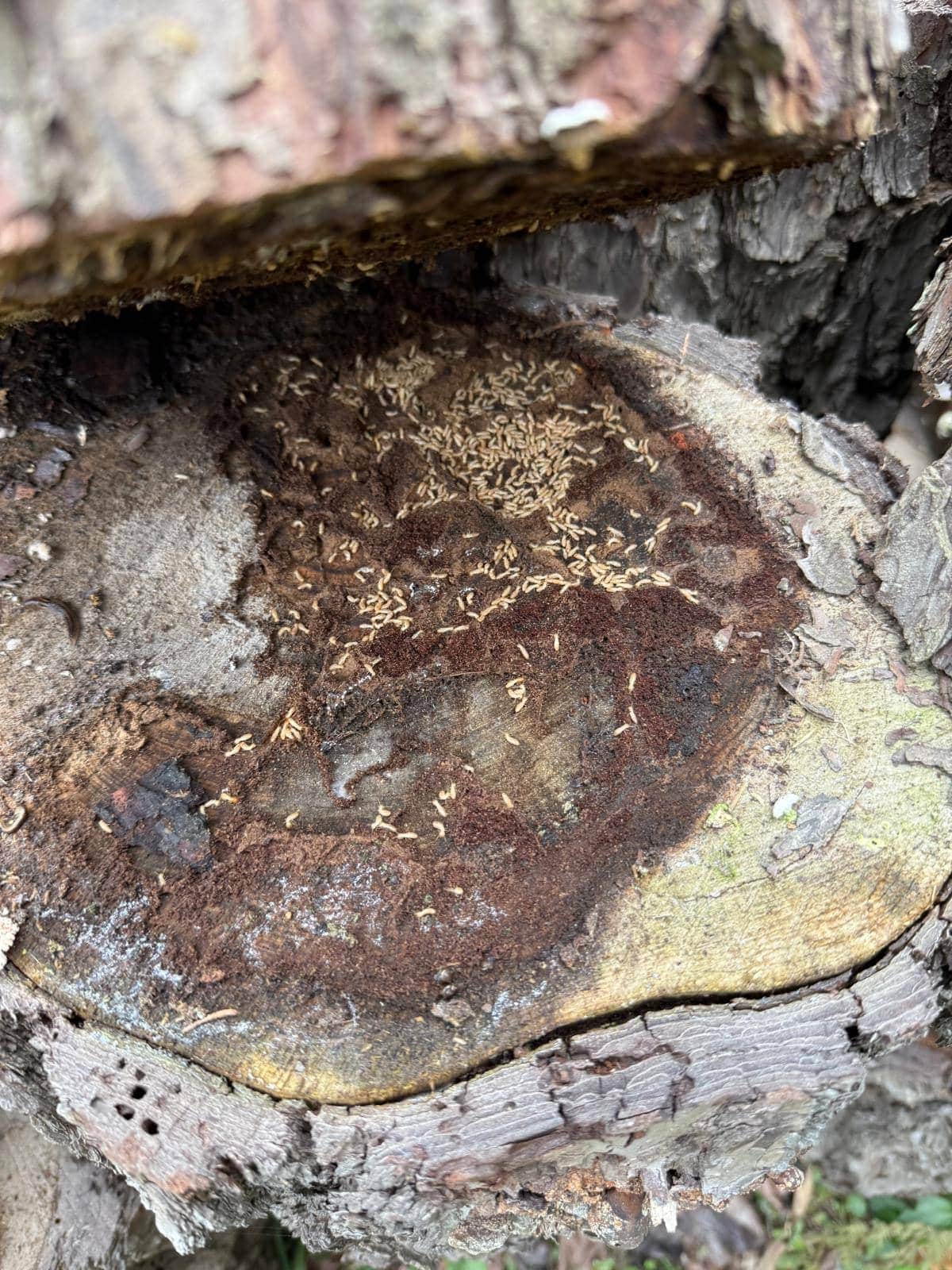
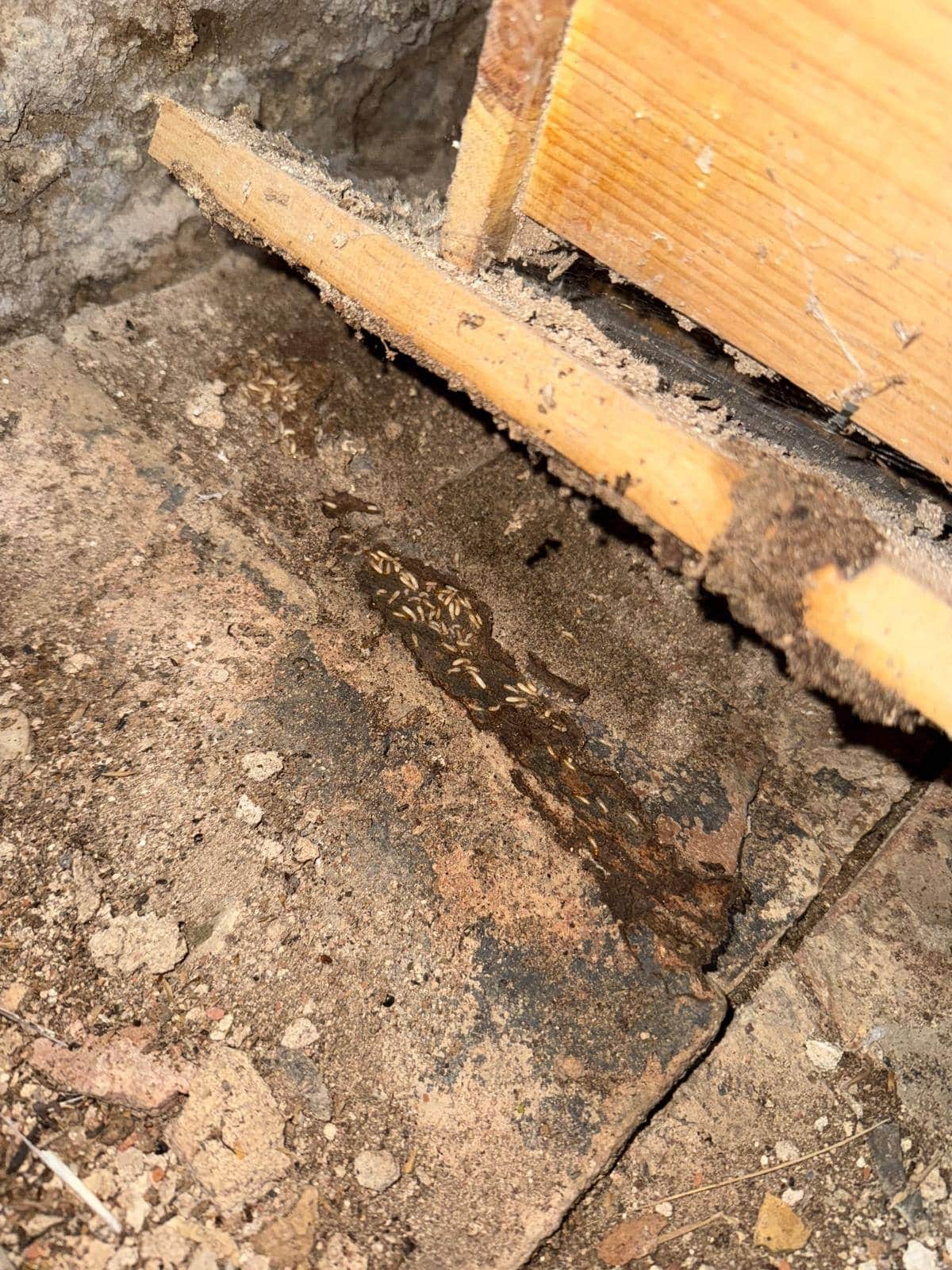
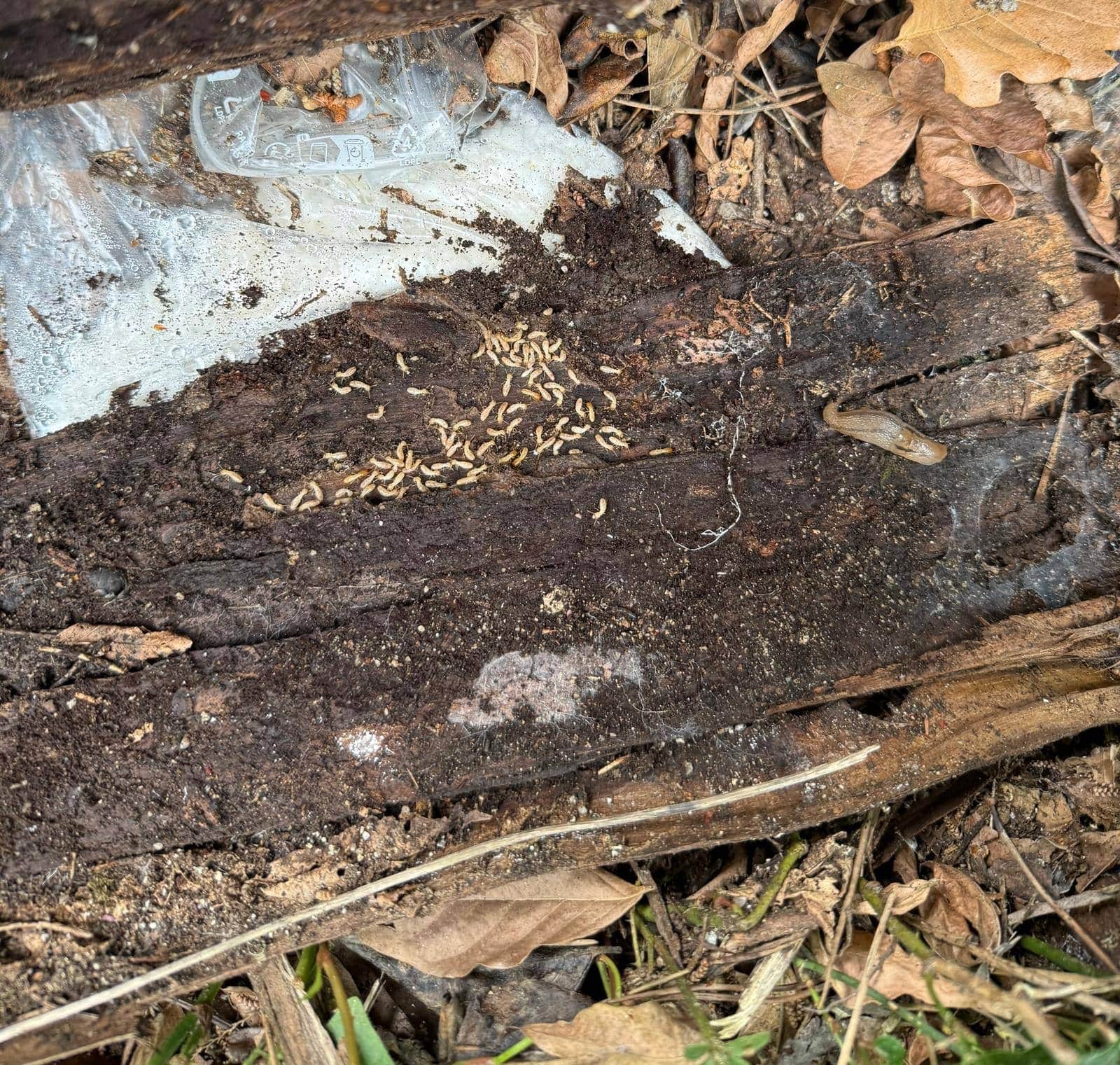
What are termites and why act as early as possible?
Termite treatment consists of detecting and eliminating the entire colony before it compromises the structure of the property. The species we treat most in Barcelona and Girona is the subterranean termite (Reticulitermes spp.), present in 80% of Spanish municipalities and the one that causes the most damage; we also act against the drywood termite (Kalotermes flavicollis).
Termites work in silence, hidden inside the timber, and by the time the damage becomes visible the colony has already been active for years. That is why early detection is decisive: the sooner we intervene, the less structural damage. At the slightest suspicion, the best course is a professional inspection to establish the real extent of the problem.
Termite or woodworm?
They are not the same. Termites consume the timber from the inside, leaving almost no visible trace until advanced stages; woodworm leaves round exit holes and frass on the surface. The treatment is different in each case, and during the inspection we identify it with certainty using the AUDIOTERMES equipment.
See the woodworm treatmentPrevention in timber buildings
Once the nest has been eradicated is the ideal moment to renew materials: we recommend aluminium for frames and windows and keeping damp under control, since moisture is what attracts the subterranean termite. Simple maintenance stops the problem from coming back.
Types of termites and evidence of their presence
Several species coexist in Spain, but two account for almost all cases in homes and buildings. Recognising which one you are dealing with, and the signs it leaves, helps you act in time.
Subterranean termite (Reticulitermes spp.)
The most common and the most destructive. It lives in the ground and reaches the timber through mud tubes it builds along walls, foundations and skirting boards. A single colony can grow to several million individuals working 24 hours a day, 365 days a year.
Drywood termite (Kalotermes flavicollis)
It lives inside the timber itself, with no contact with the ground. It produces small mounds of granular droppings and mainly affects furniture, beams and joinery, especially in warm and coastal areas.
How to detect termites: warning signs
If you notice any of these signs, a professional inspection is advisable as soon as possible. The subterranean termite is silent, and detecting it in time avoids costly structural repairs.
What you are actually seeing
| What you see | What it usually means | Where it appears | Urgency |
|---|---|---|---|
| Mud tubes or trails | Subterranean termite: the most conclusive sign of all | Walls, skirting boards, foundations and the base of walls | Immediate inspection |
| Winged insects gathered at the window | Swarming: a mature colony is nearby, inside or under the building | Windows, shutters and light sources, in spring | Immediate inspection |
| Shed wings, all the same size | There has been a termite nuptial flight within the last few hours or days | Window sills, floors and corners next to the window | Immediate inspection |
| Beam that sounds hollow or gives way when pressed | Advanced internal loss of section, from termites or longhorn beetle | Beam ends, floor structures and girders | Immediate inspection |
| Doors or windows that no longer fit properly | Deformation of the frame or the casing, possible hidden damage | Wooden joinery, especially with damp nearby | Watch and re-check |
Source: Technical literature of the timber sector · retrieved on 21 July 2026.
When they swarm: flight season calendar
Subterranean termite Reticulitermes spp.
Activity: from March to June · Peak: April and May.
The nuptial flight is concentrated in spring, from March to June, and along the coastal strip it tends to cluster from mid May onwards.
Dozens of dark winged insects, all with four wings of the same size, gathered on windows and shutters. They come out on warm, humid days, often after rain, and within a few hours they leave their shed wings on the window sill or on the floor.
Drywood termite Kalotermes flavicollis
Activity: from August to October · Peak: September.
It flies in late summer and in autumn, between August and October.
Lighter-coloured winged termites near beams, joinery and furniture, with no contact with the ground. Next to the wood, small mounds of granular droppings appear, like grains of sand.
- Highest chance of seeing them
- Active period
- No flight expected
These dates are indicative windows. Flight depends on temperature and humidity, so each year it starts earlier or later: if you see winged insects outside these months, it is still a reason for an inspection.
Source: Technical literature of the timber sector · retrieved on 21 July 2026.
How we eliminate termites
Our protocol combines precise detection with the baiting system, the method with the most proven effectiveness against the subterranean termite: a study co-led by the IPNA-CSIC (published in the Journal of Economic Entomology) shows that baits can completely eradicate Reticulitermes colonies in urban areas and keep those areas termite-free for more than two decades.
Advice and inspection
The visual assessment visit is included, with no obligation. To get to the detail we recommend the technical inspection with AUDIOTERMES equipment (it amplifies the sound of the timber to locate the activity), with a review of the exteriors, a probe at the beam ends and a floor plan of the property with a damage report: it is quoted separately, and your treatment quote comes with it. All without destructive works.
Tailored solution
We install bait stations in the affected areas and check them every 6 to 8 weeks depending on the activity. The treatment lasts between 6 and 12 months depending on the size of the nest, until it is completely eradicated.
Ongoing protection
We offer a 3-year guarantee, starting when the treatment ends and the certificate of colony elimination is issued: if it reappears, we cover the new placement of baits. During those 3 years we carry out an annual inspection at no cost.
The baiting system
The baiting system is the reference treatment against the subterranean termite. Instead of injecting product into the whole structure, bait stations with a subterranean termite bait (a TP8 biocide) are installed at the points where the AUDIOTERMES equipment has detected activity and around the outer perimeter of the building.
The workers find the bait, feed on it and share it throughout the colony. That is why the system does not just protect the beam that looks damaged: it acts on the entire nest, which is what stops the problem from returning through another part of the house months later.
It is also the reason the treatment lasts between 6 and 12 months. It is not a commercial timeframe, it is the time a colony of several million individuals needs to die out. Anyone promising termites eliminated in a single visit is describing something else.
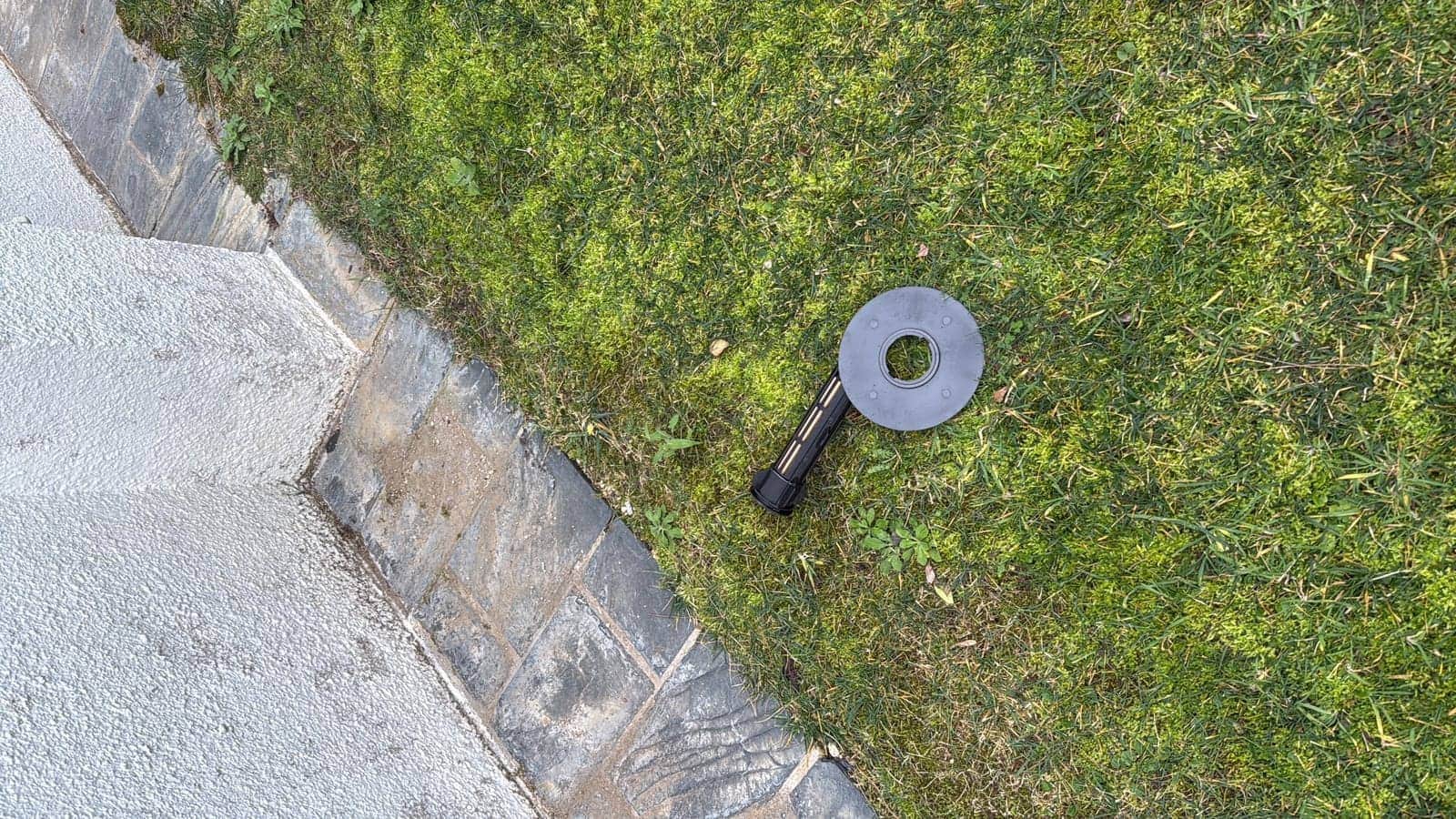
Indoor bait stations
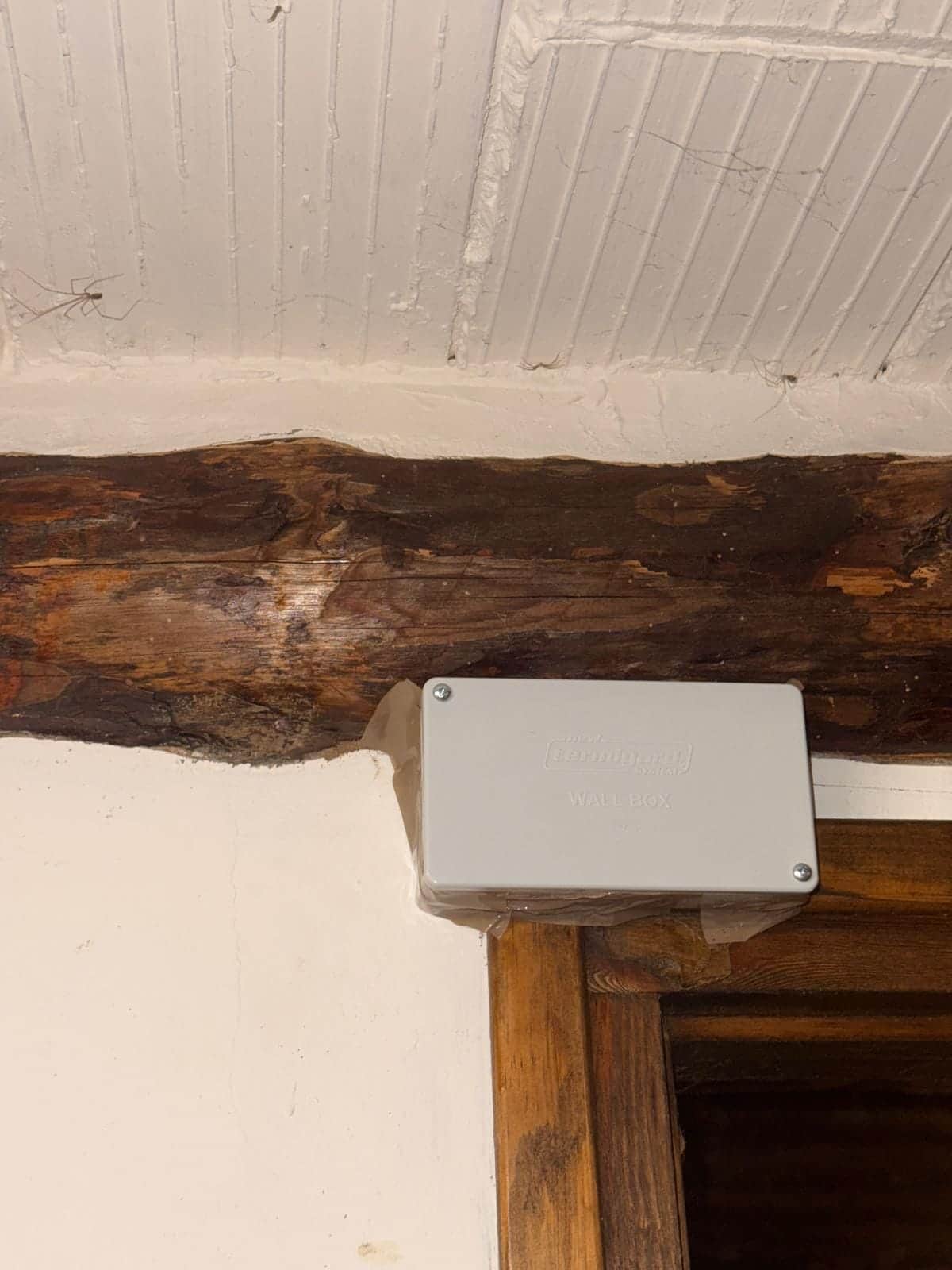
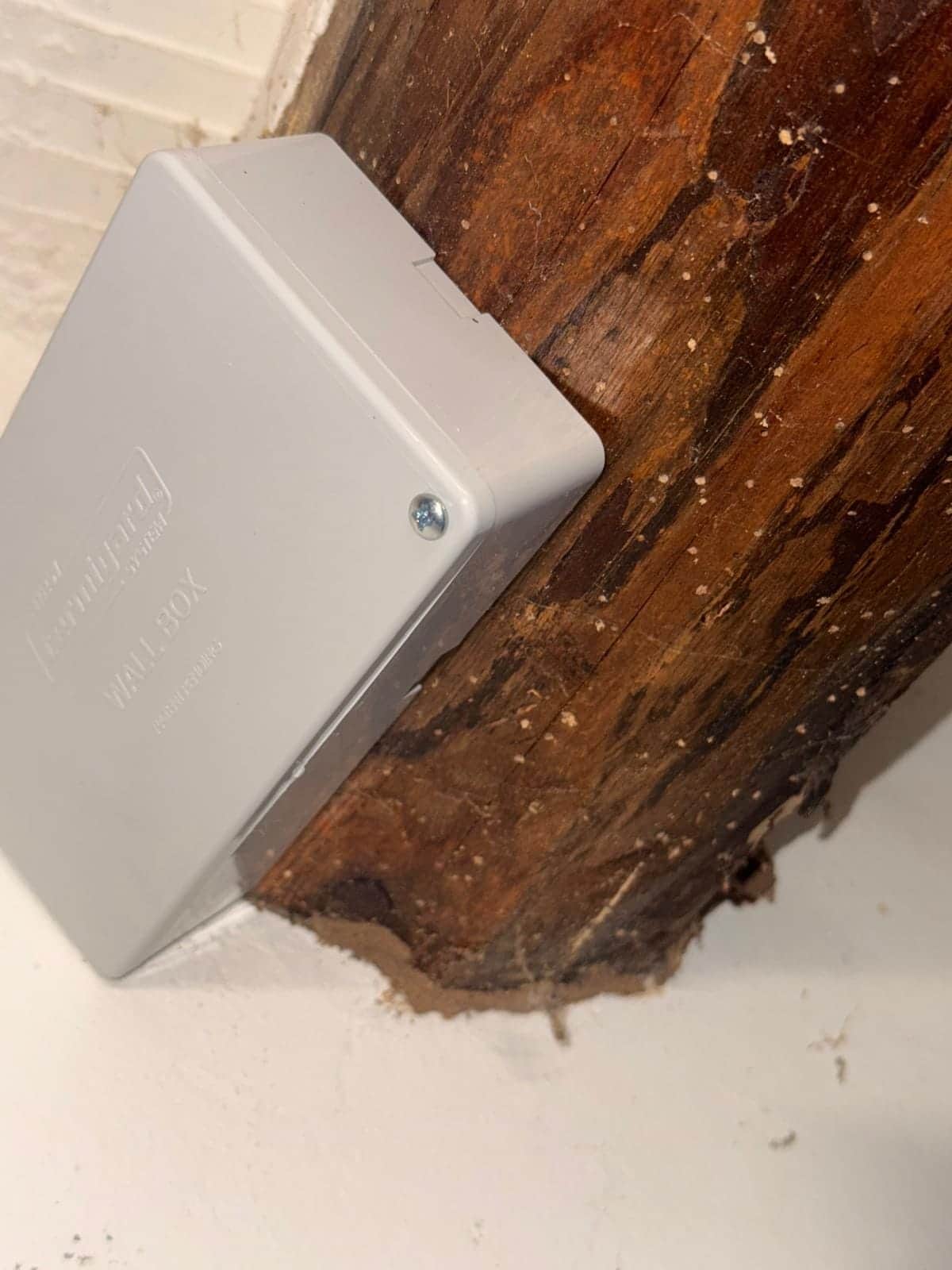
Stations placed next to the areas with confirmed activity: beam bases, skirting boards, the foot of partition walls and the points where the mud tubes climb.
Perimeter bait stations
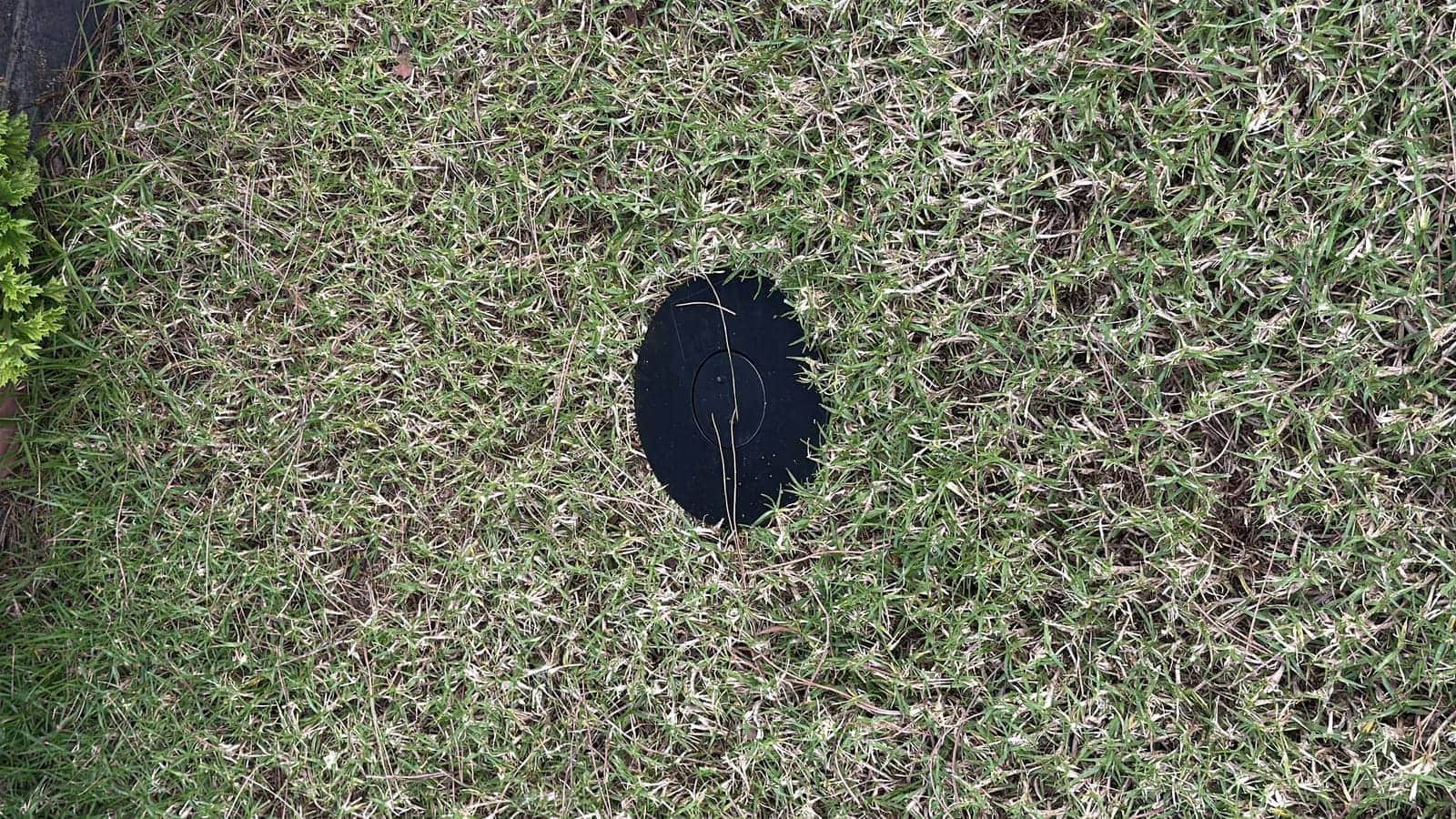
Stations driven into the ground around the building, which is where the colony actually lives. They intercept the workers before they get back into the timber.
Checks every 6 to 8 weeks
At each visit we measure consumption, replenish the bait and record the activity. The pace is set by the colony, not by the calendar.
No destructive works
The diagnosis is made with AUDIOTERMES equipment and probes at the beam ends. There is no need to chip walls or lift floors to know what is going on inside the timber.
Real treatment timeline
Total duration:6 to 12 months until the colony is eradicated
First visit
Inspection and diagnosis
Technical survey with audiotermes, a floor plan of the property, review of the exteriors and probing at the beam ends. No destructive work. A damage report is delivered before any treatment starts.
First week
Installation of the bait stations
Placement of the bait stations in the areas where activity has been confirmed, both indoors and outdoors. The bait is a TP8 biocide authorised by the Spanish Ministry of Health.
Every 6 to 8 weeks
Follow-up inspections
Each station is checked for consumption and for how the activity is evolving, with bait replaced whenever needed. The frequency is adjusted to the level of activity found at each visit.
Between 6 and 12 months
Eradication of the colony
The timeframe depends on the size of the colony and on the time of year the treatment starts. The case is not closed until the colony is confirmed to be eliminated.
3 years from the certificate of colony elimination
Guarantee and annual inspection
A 3 year guarantee counted from when the treatment ends and the certificate of colony elimination is issued, with one annual inspection at no cost. If activity reappears, the new placement of bait stations is covered.
A bait system does not deliver an immediate result: it acts on the whole colony, and that is why it needs months. Anyone who promises to eradicate subterranean termites in a single visit is not describing this method.
Source: ERRADICAT intervention protocol, technical team · retrieved on 21 July 2026.
Why choose ERRADICAT?
What sets us apart on every job
Detection with AUDIOTERMES equipment
We use a device that amplifies the sound of the timber to locate termite activity where it cannot be seen with the naked eye, plus a probe at the beam ends to check the real condition of the structure.
Elimination with bait stations
We place bait stations in the affected areas, the method with the most proven effectiveness against the subterranean termite: studies carried out in Spain confirm that baits can eradicate entire Reticulitermes colonies.
3-year guarantee from the certificate of colony elimination
The guarantee starts when the treatment ends and the certificate of colony elimination is issued. If it reappears, we cover the new placement of baits, with an annual inspection at no cost during the 3 years.
Diagnosis with floor plan and report
We draw up a floor plan of the property, mark every structural incident and the level of damage on it, and deliver a detailed report before intervening. Floor plan and report are the deliverables of the technical study, which is quoted separately and stays with the owner.
Authorised biocides and accredited technicians
We only use termiticides authorised by the Spanish Ministry of Health in accordance with Regulation (EU) 528/2012, applied by technicians holding a biocide applicator licence.
Follow-up until total eradication
We check every 6 to 8 weeks depending on the level of activity over a 6 to 12 month treatment, and we do not close the case until we confirm the nest has been eliminated.
Who you are dealing with
Before letting anyone into your home to treat a structure, it is worth knowing what stands behind them. This is what stands behind us, and it can be verified.
Company registered with the ROESP
ERRADICAT is registered with the Official Register of Pesticide Establishments and Services (ROESP), which is the legal requirement for applying professional-use biocides in Catalonia.
Technicians with a biocide applicator licence
Every intervention is carried out by technicians holding a valid applicator licence. We do not subcontract the timber treatment.
Technicians with 15 years of experience
The technicians who lead our treatments have been in the trade since 2011: 15 years treating termites and woodworm in Barcelona and Girona. The company is younger than their experience, and we say so plainly.
Termiticides authorised by the Spanish Ministry of Health
We work with biocides of the TP8 category (wood preservatives) authorised in accordance with Regulation (EU) 528/2012, with the safety data sheet available to the client.
Written guarantee
The guarantee is not a phrase on a website: it is signed on the closing document, with its scope and its start date, which is the day the nest is declared eradicated.
Report and floor plan of the property
Every case is documented with a floor plan, marked incidents and a report delivered to the owner before intervening.
Local experts in termite control
We work across the whole of the provinces of Barcelona and Girona: homes, farmhouses, historic buildings, homeowners' associations and commercial premises. Every intervention is carried out with termiticide biocides authorised by the Spanish Ministry of Health and by technicians holding a biocide applicator licence.
Where we treat termites
The subterranean termite does not appear the same way everywhere. The type of construction and the moisture in the ground matter a great deal, and that changes quite a lot between a stone farmhouse in inland Girona and an Eixample building in Barcelona with timber joists.
Girona
Most popular municipalities
Gironès
Alt Empordà
Baix Empordà
Pla de l'Estany
Barcelona
Most popular municipalities
Baix Llobregat
Maresme
Vallès Oriental
If your town is not on the list, call us anyway: we cover both provinces and on the call we will tell you frankly whether your case is within our reach. 602 433 979
Frequently asked questions
The questions we hear most before a visual inspection
How much does a termite treatment cost in Barcelona or Girona?
The cost depends on the size of the termite colony and the extent of the damage, which is why we do not give fixed prices over the phone. There are two ways to find out. If you are not yet sure what you have, the visual assessment visit is included, at no cost and with no obligation, and it settles the doubt. If there are already clear signs, what we recommend is the technical survey with AUDIOTERMES acoustic detection, a floor plan of the property and a damage report: it confirms every affected point, fixes where each bait station goes, and your written quote comes with it. It is quoted separately and only goes ahead when you say yes, so you decide with the figure in front of you. The bait station treatment includes a 3-year guarantee from the certificate of colony elimination.
How do I know if I have termites in my home?
The most common signs are winged insects (reproductives) in spring, grouped near windows and shutters, with shed wings on the sill; mud tubes or trails along walls and skirting boards; wood that sounds hollow when tapped even though it looks intact; and doors or windows that no longer close properly. If you spot any of these signs, request a technical inspection as soon as possible to avoid structural damage.
How long does the treatment take to eliminate the termites?
The bait station treatment takes between 6 and 12 months depending on the size of the colony, with checks every 6 to 8 weeks according to the level of activity. It is the method with the strongest proven efficacy: a study co-led by the IPNA-CSIC confirms that baits eradicate Reticulitermes colonies in urban areas in less than a year on average.
What precautions should be followed during the treatment, and do we need to leave the property?
There is no need to leave the property: the bait stations are installed sealed and anchored, around the perimeter and at specific points of the structure. We use only biocides authorised by the Spanish Ministry of Health in accordance with Regulation (EU) 528/2012, applied by technicians holding an applicator licence, and we give you the usage instructions for each product in writing. The condition of the treatment is that, once it has started, no building work can be carried out and the wood must not be touched until the colony has been eliminated; afterwards is the ideal time to renew materials, and we recommend aluminium for frames and windows.
Does ERRADICAT offer a guarantee against termites?
Yes. We offer a 3-year guarantee from the certificate of colony elimination, issued when the treatment ends. If termites reappear, we cover the installation of new baits, and during those 3 years we carry out an annual inspection at no cost. Breach of the contract (for example, carrying out building work before the colony is eradicated) means the guarantee is lost.
What is the difference between subterranean termites and drywood termites?
The subterranean termite (Reticulitermes spp.) is the most common in Spain and in Catalonia; it lives in the ground and builds mud tubes to reach the wood, and a single colony can grow to several million individuals working 24 hours a day, 365 days a year. The drywood termite (Kalotermes flavicollis) nests inside the wood itself and leaves small droppings that look like sawdust. During the inspection we identify the species with AUDIOTERMES acoustic detection and probe openings in the beams so the right treatment can be applied.
Content of this page reviewed by our technicians on 4 September 2026.
Suspect you have termites?
Ask for a visual inspection with no obligation and, if a closer look is needed, we quote the technical study with AUDIOTERMES equipment: an honest explanation of the real extent of the problem and the best solution.
No obligation · Reply within 24 h · Barcelona and Girona
What you take away in writing
A termite treatment is a structural intervention. It must leave a documentary trail, and ours does.
- Floor plan of the property with every issue found and its level of damage marked.
- Damage report with what the audiotermes detected and where.
- Bait station placement plan and monitoring schedule.
- Data sheet of the biocide applied, with the product registration number.
- Written 3 year guarantee from the certificate of colony elimination.
If what you see are round holes and sawdust, and not mud tubes, it is probably not termites but woodworm.
See the woodworm treatmentWant us to come and take a look?
Visual inspection with no obligation. Barcelona and Girona, Monday to Saturday.