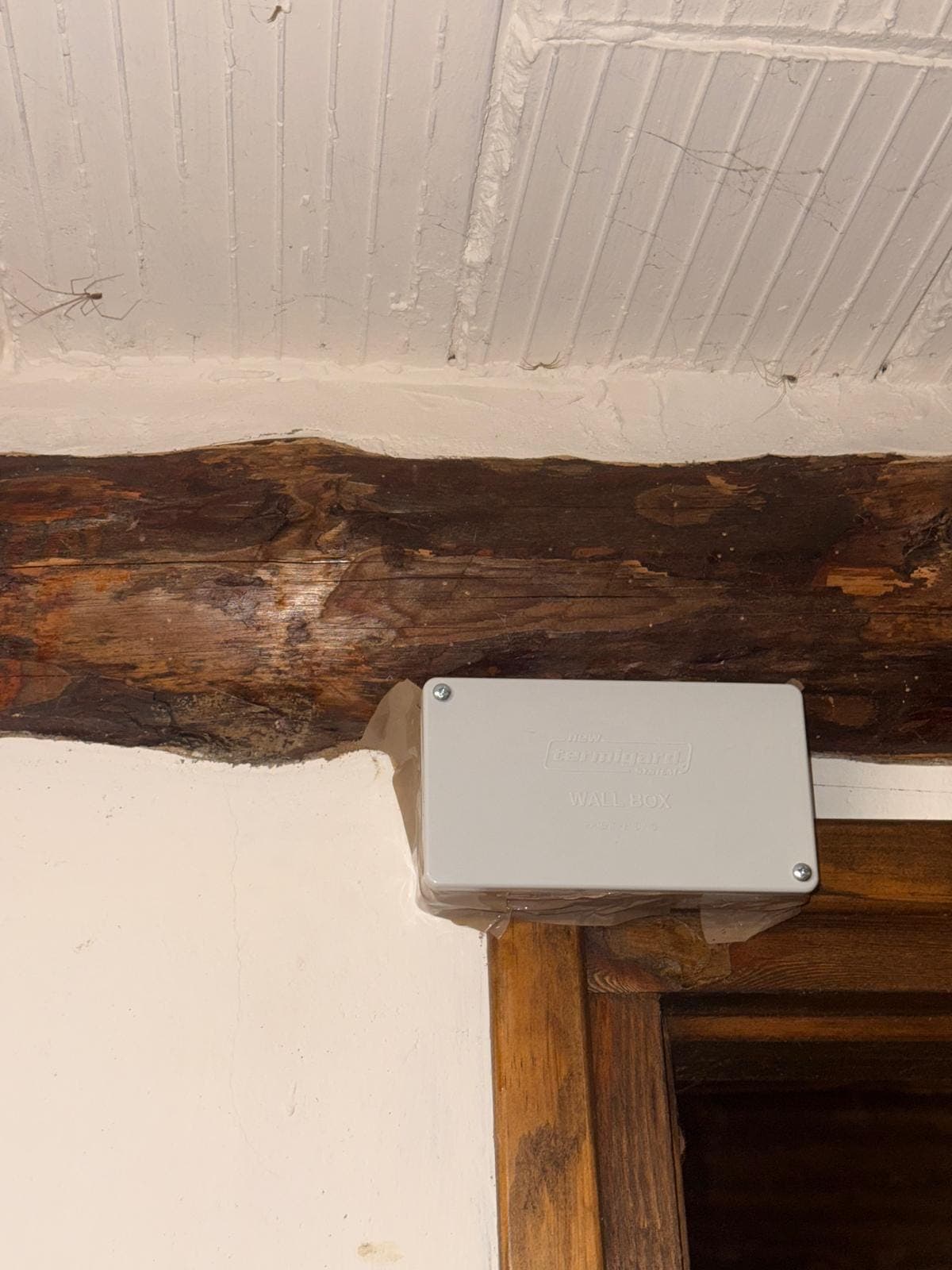
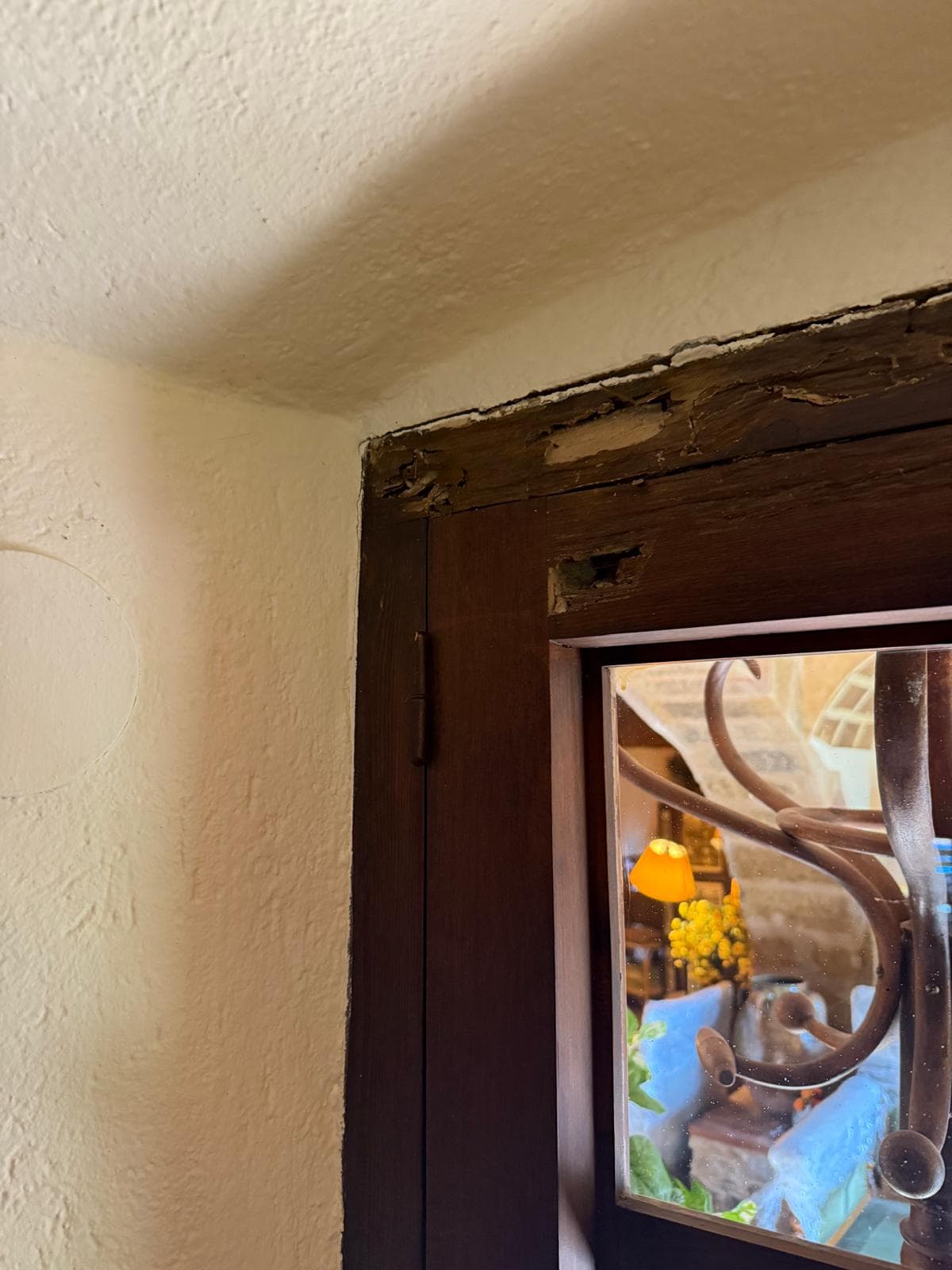
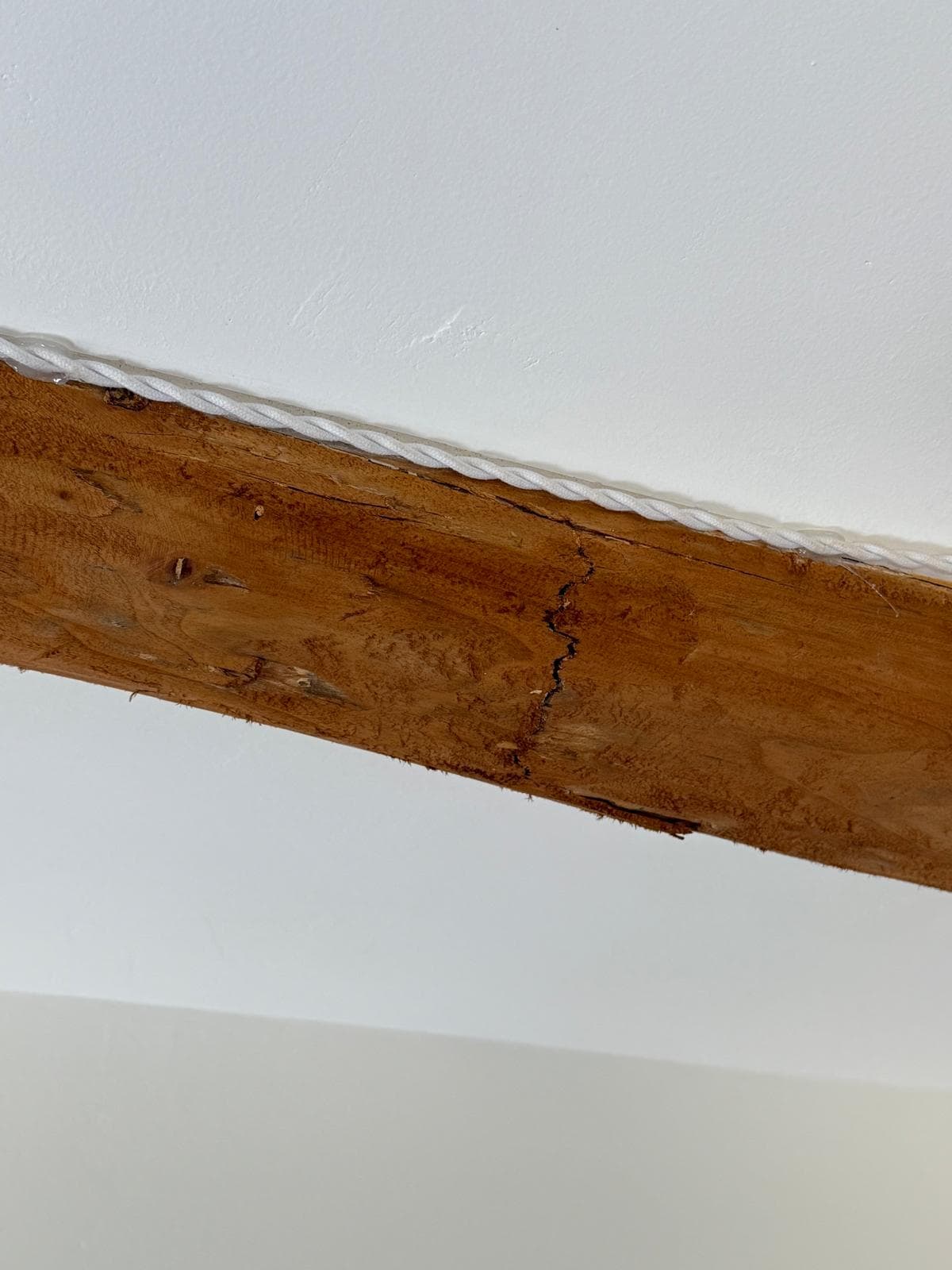
In Banyoles the subterranean termite makes the most of a subsoil that keeps its damp even in the middle of August. We listen to the wood with audiotermes, mark every source and design a made-to-measure layout of bait stations and outdoor stations.
Visual assessment visit included, at no cost and with no obligation. The technical study with audiotermes, which confirms every point of damage, is quoted separately and you decide with the figure in front of you. We work Monday to Saturday.
Request your no-obligation visual inspection
We reply within 24 hours.
Send us your enquiry
We serve the provinces of Barcelona and Girona.
* Required fields
The water of the estany keeps the subsoil of Banyoles damp all year round, and that constancy is exactly what the subterranean termite needs to sustain a colony. The level does not drop in summer, so the activity does not slow down with the heat either. In the Barri Vell the usual target is the timber joist: the sources are located with audiotermes and treated with a bait system.
Termites in Banyoles, at a glance
Where
Banyoles, Pla de l'Estany, province of Girona
Dominant pest
Subterranean termite (Reticulitermes)
Way in
Constantly damp subsoil beside the estany
What is hit first
Joists of the old quarter and ground-floor skirting
Method
Bait stations with TP8 biocide over the sources and outdoor back-up stations
Real timescale
Regular checks of every point until the colony stops feeding
Guarantee
3 years in writing, starting when the treatment ends and the certificate of colony elimination is issued, with an annual inspection included
The Banyoles termite knows no low season, and the estany is to blame
The Barri Vell of Banyoles keeps houses of medieval origin raised with stone walls and timber-joist floors. In many of them the ground floor was a workshop or store and rests directly on the ground, with no void to separate it from the damp. The subterranean termite finds a short route there: it climbs the wall, reaches the sleeper or the foot of the staircase and carries on towards the joist without ever coming into view.
The houses of the Banyoles expansion district, terraced and with a shop or garage on the ground floor, look better protected because they mix brick and concrete. Even so they keep wood in floorboards, skirting, door sub-frames and the occasional old floor structure that the renovation left in place. When the colony comes in through a screed joint, the first thing to raise the alarm is usually a skirting board coming away or a door that catches for no apparent reason.
The homes close to the estany area add a factor the rest of the town does not have: the garden. Watered lawns, wooden sleepers, log stores and fences driven into the soil offer food and damp a few metres from the facade. A colony can thrive on the plot for years before touching the house, and when it does it usually comes in through the porch or the joinery of a terrace door.
What levels all these settings is the water. The estany is fed by underground springs and keeps a stable level when other municipalities in the province already feel the ground dry. For a species that dies if it loses the damp, that permanent larder translates into continuous activity: in Banyoles there are no bad months for the termite, and that is why the bait system checks matter just as much in January as in August.
Where does damaged wood show up first in Banyoles?
Zone by zone, what was built, what wood sits inside and where the insect gets in. It is the reading our technicians make before deciding where the check starts.
Wood types and entry routes by zone in Banyoles.
Zone of Banyoles
Dominant construction
Wood present
Way in
First sign
el Barri Vell
Dominant constructionMedieval stone-walled houses
Wood presentTimber joists and old staircases
Way inGround floors resting on the ground
First signDoor frames with blistered paint
the estany area
Dominant constructionHomes with a garden and porch
Wood presentPorch, fence and garden sleepers
Way inOutdoor wood in contact with the soil
First signSoil stuck to the base of the porch
Can Puig
Dominant constructionBlocks of flats and terraced houses
Wood presentFloorboards, skirting and door sub-frames
Way inScreed cracks and service penetrations
First signLoose wings after the spring flight
Source: ERRADICAT technical criteria from own work in Pla de l'Estany · retrieved on 4 September 2026.
A real job in Banyoles
The data comes from our own technical case files. Open the case and you will see the date, the method and the case file number; anything that could identify the client or the property stays out.
The Banyoles house that kept all its activity behind closed doors
Case file ER-2026-293
Property
Home in Banyoles, with the termite sources spread through the interior
Element inspected
The points inside the home where activity was located
Detected
Subterranean termite (Reticulitermes)
Timescale
Programme of checks on every bait station and outdoor station until the nest is exhausted, with a 3 year written guarantee after eradication
Method proposed
Bait system: 11 bait stations with TP8 biocide over the indoor sources and 3 outdoor back-up stations planned around the perimeter
The system defined in August 2026 for a home in Banyoles splits the watch between the interior and the perimeter. Inside, 11 bait stations with TP8 biocide are assigned directly to the sources located. Outside, 3 back-up stations go to the strip of ground closest to the walls, the one a colony travels along when entering or leaving the building. The layout portrays the diagnosis: the activity was indoors, and the outside stands guard to give away any new routes from the ground.
Three signs that really tell you whether there is activity
You do not need to see an insect. These three are what we actually find when we reach a home, and all three can be checked without tools.
Mud tubes on a wall or skirting board
Mud tubes the width of a pencil climbing the wall, the skirting board or the inside of a wardrobe. They are the tunnel the subterranean termite builds to shield itself from light and dry air. If they are damp inside, there is activity right now.
Loose wings on the window sill, March to June
In spring the colony releases winged reproducers. They fly little, shed their wings quickly and pile up on a window sill or by a terrace door. Finding wings indoors means a mature colony nearby.
Wood that sounds hollow even though it looks whole
The termite eats the inside and spares a thin surface layer, so the element looks intact. Tap it with your knuckles and the sound changes from solid to hollow. On flooring it feels like a board that gives underfoot.
When do termites fly in Banyoles?
The swarming flight reaches Banyoles with the spring: loose wings appear on balconies in the Barri Vell and on porches in the estany area, over ground that knows no drought.
Activity: from March to June · Peak: April and May.
Drywood termite Kalotermes flavicollis
Activity: from August to October · Peak: September.
Highest chance of seeing them
Active period
No flight expected
These dates are indicative windows. Flight depends on temperature and humidity, so each year it starts earlier or later: if you see winged insects outside these months, it is still a reason for an inspection.
Source: Technical literature of the timber sector · retrieved on 21 July 2026.
The bait system
We start by listening. The audiotermes amplifies the sound inside the wood and locates activity without lifting the floor or drilling anything, and from that comes a floor plan of the property with every point of damage marked.
Then the stations go in. We place indoor bait stations over the located sources and outdoor bait stations spread around the building's perimeter, loaded with bait for subterranean termites, a TP8-type biocide. The perimeter barrier is the part most providers skip, and it is the one that reaches the whole colony.
From there it is a matter of checks: every station is monitored, the bait replenished and the activity recorded until the nest stops responding. There is no shortcut, and anyone promising eradication in one visit is not talking about subterranean termites.
We publish the real timescales because they pre-qualify better than any promise. If someone wants a fix in one afternoon, better they know before calling.
Total duration:Regular checks of every point until the colony stops feeding
1
Included
Visual assessment visit
A walk through the property with the naked eye to see what there is and how far it goes. The assessment visit is included, at no cost and with no obligation, and it is the starting point when the signs are unclear.
2
1 working day, with the figure agreed first
Technical study
Percussion sounding, listening with audiotermes, species identification and location of the access routes from the ground. We always recommend it: it confirms every point of damage and decides where each bait station must go. It is quoted separately, so you see it with the scope in front of you and it starts when you say yes.
3
A few days later
Report and floor plan
Floor-by-floor plan of the property with the issues found, the extent of the damage and the treatment proposal with your written quote. It is part of the technical study.
4
1 working day
System installation
Placement of the indoor bait stations over the sources and of the outdoor perimeter barrier around the building.
5
Every 6 to 8 weeks
Monitoring checks
Check of every station, bait replenishment and activity record. The frequency adjusts to what the system shows.
6
6 to 12 months
Eradication of the nest
The timescale depends on the size of the colony. It is the real range of the bait system and it cannot be compressed.
7
3 years
Guarantee
Three years from eradication, with the annual inspection included at no cost.
The visual assessment visit is included, at no cost and with no obligation: when the signs are unclear, it is the way to clear doubts. Even so, we always recommend the technical study with audiotermes, a floor plan of the issues found and a report, which is quoted separately: it confirms every point of damage, fixes where the treatment must act and from it comes your written quote, so you decide with the figure in front of you.
Source: ERRADICAT's intervention protocol · retrieved on 4 September 2026.
What we get asked in Banyoles
I have a house with timber joists in the Barri Vell. Should I worry even if I see nothing odd?
There is no need to live worried, but in the Barri Vell keeping watch pays off more than in any other corner of Banyoles. The ground floors rest on ground that never quite dries out and the joists are within reach of a colony climbing the wall. Going over the skirting, the foot of the staircase and the frames now and then, and asking for a listening check with audiotermes if something looks wrong, helps catch a source while it is still just beginning.
Is it true that the estany favours termites?
Yes, the influence is real: the water of the estany stabilises the damp in the subsoil of Banyoles even in the hottest months. That continuity lets a colony feed without seasonal pauses, whereas on drier ground the activity eases off when summer arrives. It does not mean every house has termites: it means that, where they are, they never rest. That is why the monitoring of the baits is never relaxed in any month.
My house is in the estany area and has a garden. Is the bait system set up the same way?
Yes, the method is the same, but in the estany area the design gives more weight to the outside. A watered garden feeds and waters the colony before it ever touches the home, so the outdoor layout is studied carefully: where there is wood in contact with the soil, where the services cross and what routes the ground offers. Inside the house, the bait stations are kept for the confirmed sources.
Small wings appeared on a window at home this spring. Does that mean there are termites inside?
Not necessarily, but in Banyoles it is a warning worth taking seriously. The wings are shed during the spring flight and signal that there is a mature nest in the immediate surroundings, which may be in your building or the one next door. The sensible step is to go over the wood that touches the floor and the door and window frames, and from there to weigh up whether an audiotermes study is worthwhile.
Does termite treatment in Banyoles come with a guarantee?
Yes: termite eradication in Banyoles closes with a 3 year guarantee in writing, and the cover includes an annual inspection of the home. If the activity reappeared within that period, the re-treatment falls within the guarantee. The programme is not considered finished when the baits are removed, but when successive checks confirm that no station registers any feeding.
How far do we travel from Banyoles?
In Banyoles we cover the whole municipal area, including el Barri Vell, the estany area and Can Puig, and we also reach Porqueres, Cornellà del Terri and Serinyà. We work Monday to Saturday, 7:30 to 22:00.
·If you are still unsure what you have, the visual assessment visit is included: no cost and no obligation.
·With signs in front of you, we recommend the technical study with audiotermes, floor plan and report: it confirms every point of damage, decides where each bait station goes and from it comes your written quote. It is quoted separately and starts when you say yes.
·During the bait programme our technicians return every 6 to 8 weeks, and those checks are part of the treatment.
·And if your property sits right on the edge of the area, we confirm it by phone in the same call.
Banyoles is some twenty minutes from Girona, and in the capital we apply the same bait system to the joists and parquet of the old flats, with regular checks.
Banyoles shares with Figueres the profile of a comarca capital with shops on the ground floor, where the termite is usually discovered when renovating premises that keep original wood hidden by later works.
The ROESP is the Spanish official register of pesticide establishments and services. It is the legal requirement for applying professional-use biocides, and not everyone offering these treatments meets it.
Technicians by trade, since November 2011
The technician who signs the reports, Sergi Casadevall Casas, has been treating termites and woodworm in Barcelona and Girona since November 2011, holding the biocide applicator licence. Visits are always made by our technicians, never by salespeople.
Written guarantee
The conditions and timescales go in the intervention report, signed. For termites, 3 years from the certificate of colony elimination, with the annual inspection included at no added cost.
The floor plan and the report stay with you
The technical study ends in a floor-by-floor plan of the property, with the issues found marked and the real extent of the damage. It is quoted separately and the document stays in the owner's hands, to work with the architect or to seek a second opinion with data on the table.
Barcelona and Girona under the same registration
Spanish Royal Decree 830/2010 establishes that a pest-control company's registration in one autonomous community is valid to work in the rest. That is why we cover both provinces with the same registration and the same team.
Content of this page reviewed by our technicians on 4 September 2026.
What happens when you call us from Banyoles
We ask what you have seen and where. If the signs are unclear, we book the visual assessment visit, which is included and takes little time. And when the signs are there, what we recommend is the technical study: audiotermes, a floor plan of the issues found and a report, with your written quote so you decide with the figure in front of you. If the wood is healthy, we tell you that too: you save yourself the treatment.
The visual assessment visit is included, at no cost and with no obligation: when the signs are unclear, it is the way to clear doubts. Even so, we always recommend the technical study with audiotermes, a floor plan of the issues found and a report, which is quoted separately: it confirms every point of damage, fixes where the treatment must act and from it comes your written quote, so you decide with the figure in front of you.