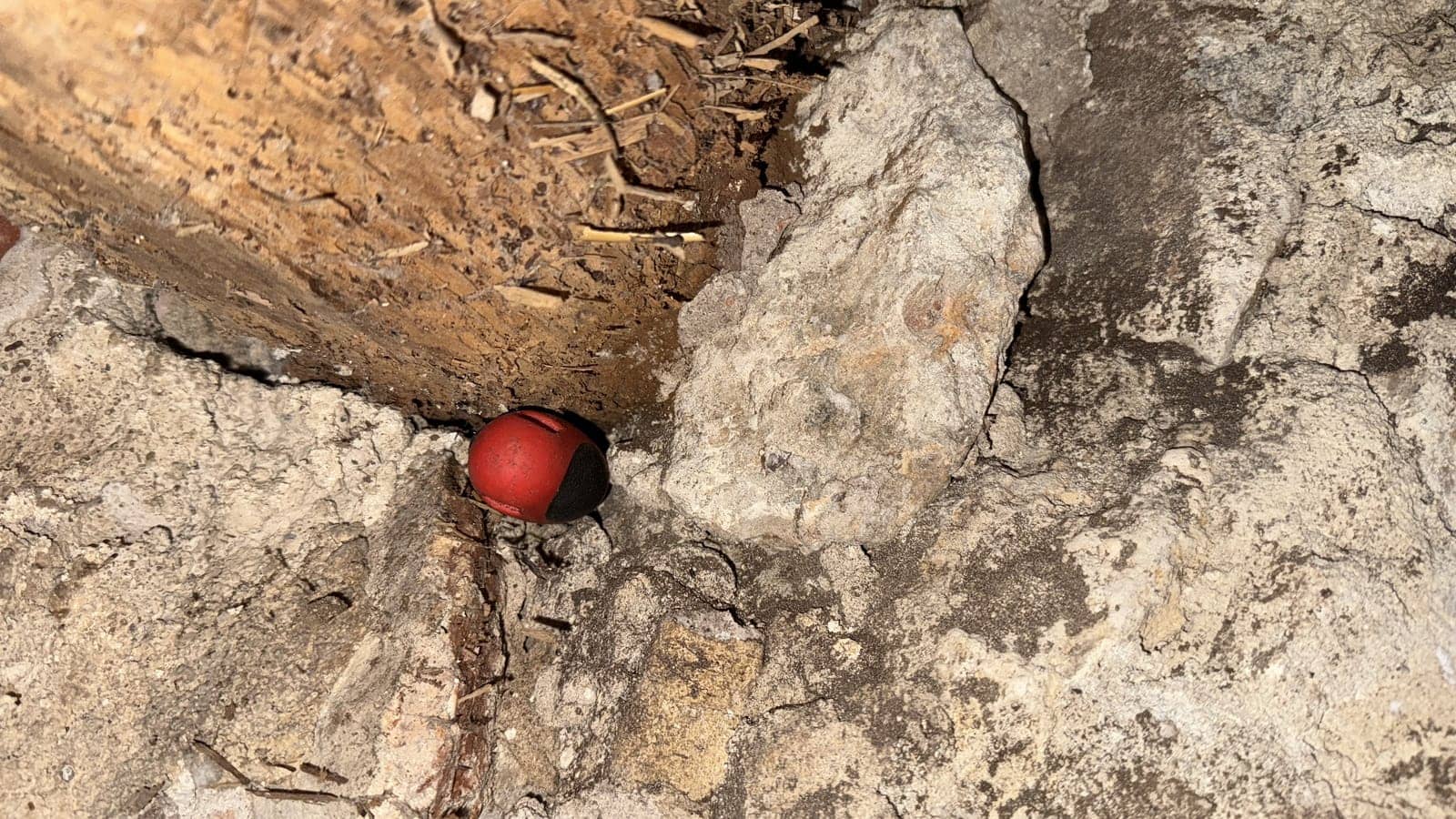
Getting rid of woodworm for good means reaching the larvae that live inside the galleries, and the only way to do that is with a professional treatment: injecting the product under pressure through non-return valves, then a double fumigation with wood-preserving biocides. Shop-bought surface products never reach that far, which is why the woodworm keeps coming back. In this guide we explain what woodworm actually is, how to tell the different wood-boring beetles apart, the signs that give them away and how we work at ERRADICAT across Barcelona and Girona.
What exactly is woodworm?
The word woodworm doesn't refer to a single insect. It covers the larvae of several wood-boring beetles (the insects that bore into and feed on wood). The adult lays its eggs on the timber or in its cracks, and as soon as the larva hatches it tunnels inside and begins boring galleries, feeding on the cellulose as it goes. That is the stage when the structural damage is done.
Here is the detail almost nobody knows: the damage inside the wood happens long before the first holes show on the surface. By the time you spot those tiny holes, the larva has already turned into an adult and flown off, after years of quietly eating away inside. It is why a beam can look perfectly sound on the outside and still be hollow within.
Woodworm attacks beams and beam ends, antique furniture, chairs, door frames, parquet floors and pretty much any wooden feature in the home. The risk is higher in damp spots and wherever there is old softwood.
Woodworm species: they are not all the same
Working out which species you have matters, because the scale of the damage and how urgently you need to act vary enormously from one to the next. These are the three you are most likely to meet in Catalonia.
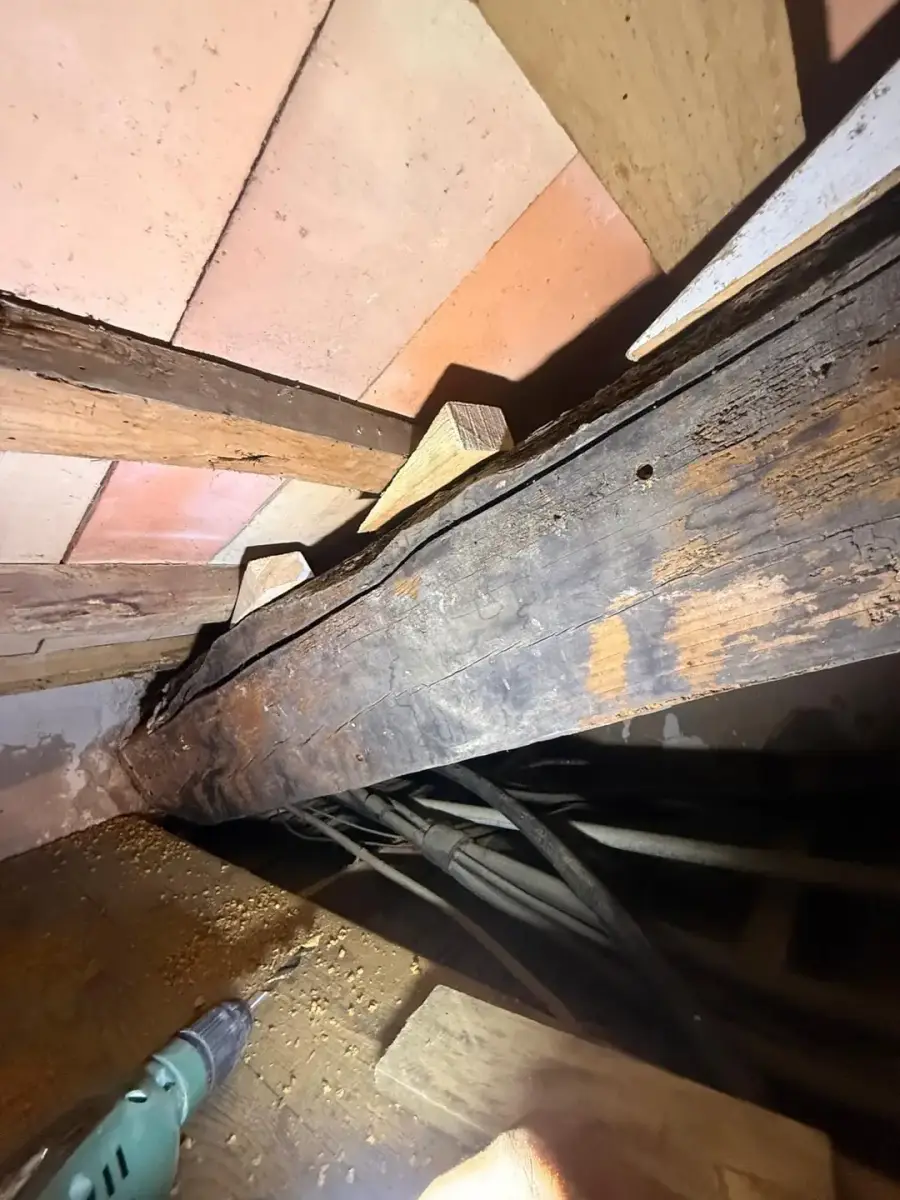
Common furniture beetle (Anobium punctatum)
This is the one you find most often in furniture, chairs and beams. The adult is only 3 to 5 mm long and leaves small, round exit holes of 1 to 3 mm, along with a very fine sawdust. According to Higiene Ambiental, its larval cycle usually runs for one to three years, hidden inside the wood before those first holes appear.
House longhorn beetle (Hylotrupes bajulus)
This is the longhorn beetle behind the worst damage in Europe, above all in coniferous sapwood. The adult is far bigger, 18 to 25 mm, and its oval holes can reach 1 cm, with a coarser sawdust. The larval cycle lasts three to four years and, according to ITM Tratamientos de la Madera and Higiene Ambiental, can stretch to as long as 12 years. One telling detail: it is not as silent as you would think, because in an active infestation you can actually hear the larvae gnawing away at the wood.
Powderpost beetle (Lyctus brunneus)
It targets fine, starch-rich hardwoods, the kind used in parquet floors and quality furniture. Its tell-tale sign is that it reduces the wood to a very fine powder, almost like talc.
Comparison table of wood-boring beetles
The table below pulls together the differences that let you recognise what you are up against, even before you call in a technician.
| Species | Adult size | Exit hole | Larval cycle | Wood it attacks |
|---|---|---|---|---|
| Common furniture beetle (Anobium punctatum) | 3 to 5 mm | Round, 1 to 3 mm, fine sawdust | 1 to 3 years | Furniture, chairs, beams |
| House longhorn beetle (Hylotrupes bajulus) | 18 to 25 mm | Oval, up to 1 cm, coarse sawdust | 3 to 4 years (up to 12) | Coniferous sapwood |
| Powderpost beetle (Lyctus brunneus) | Small | Small, very fine powder | Variable | Fine, starch-rich hardwoods |
Comparative data: Higiene Ambiental and ITM Tratamientos de la Madera.
How do you know if you have woodworm? Warning signs
Woodworm does its work out of sight, but it always leaves clues. These are the ones we look for on every inspection:
- Small piles of sawdust or fine powder: they build up under furniture, chairs and beams. This is the debris the larva pushes out as it bores. Clean it away, and if it comes back, the infestation is live.
- Round holes of 1 to 3 mm: typical of the common furniture beetle.
- Oval holes of up to 1 cm with coarse sawdust: the hallmark of the house longhorn beetle.
- A gnawing noise: a faint rasping from inside the wood, the sound of house longhorn larvae hard at work.
- Wood that sounds hollow: tap it or press it and it gives a little or rings empty, thanks to all the galleries inside.
- Beetles in spring or summer: the adults emerge in the warm months and turn up near the affected wood.
Why do home remedies fail to get rid of woodworm?
This is the question we get asked most, and the answer comes down to simple physics: surface or shop-bought products never reach the internal galleries where the larvae live. Insecticidal varnishes, sprays and brush-on liquids sit in the first millimetre of the wood, while the larva keeps feeding centimetres deeper in, safe and protected.
It is why a DIY treatment looks like it worked for a few weeks, and then the holes and the sawdust come straight back. Only pressure injection and fumigation reach the inside of the wood, which is the one place the biocide is any use. There is no dependable surface fix for woodworm.
Before treating: why varnished wood must be stripped
If the beam or the piece of furniture is covered in varnish or paint, that finish works like a barrier and stops the product getting in. Treating straight over the varnish is wasted effort: the biocide just slides off and never reaches the galleries.
So when a piece is varnished, stripping and cleaning the wood becomes an essential first step. We take the finish off to leave the timber open and receptive, and only then do we inject and fumigate. That is the difference between a treatment that lasts and one that fails within months.
ERRADICAT's method against woodworm, step by step
Our professional woodworm treatment follows a three-stage protocol. It is carried out by technicians who hold a biocide applicator's licence, using category TP8 wood preservatives authorised by the Spanish Ministry of Health under the Reglamento (UE) 528/2012.
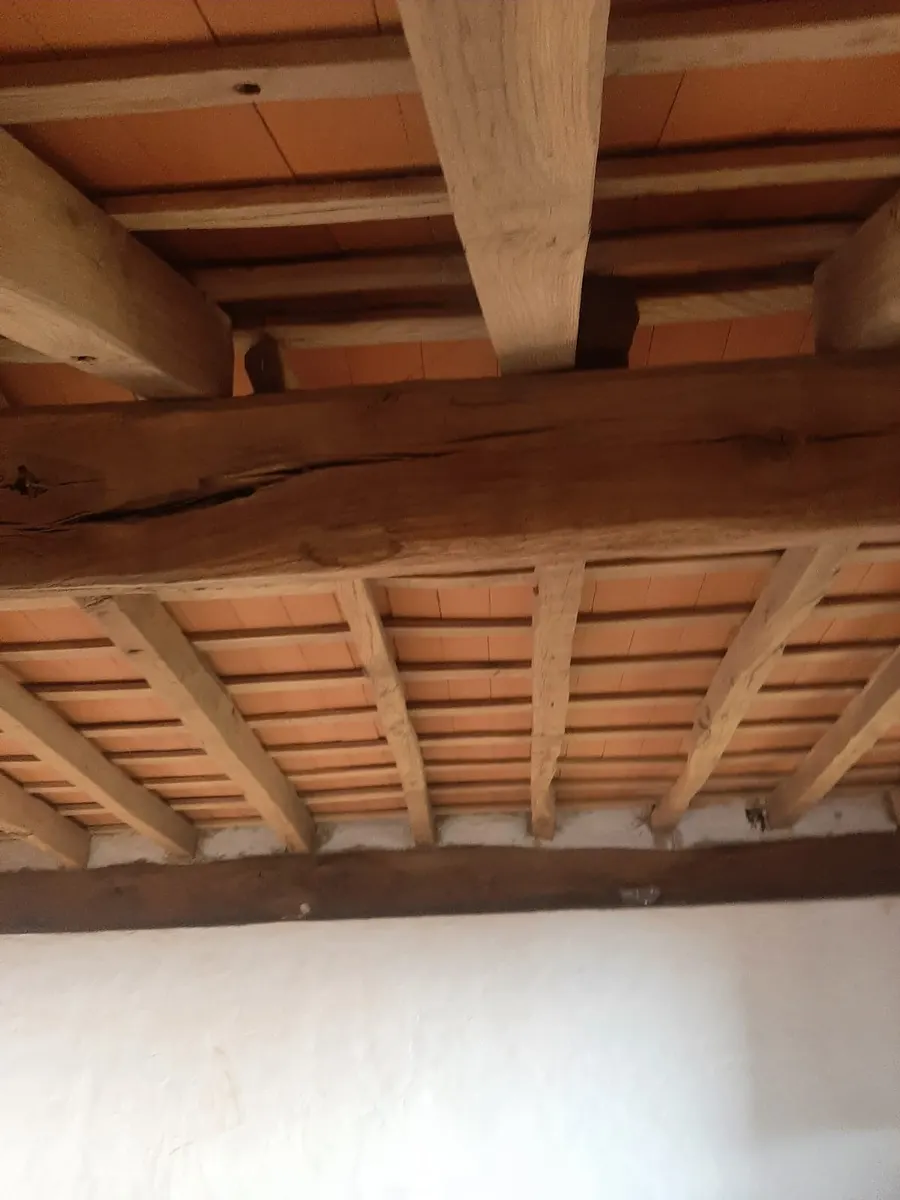
1. Advice and inspection
We pinpoint wood-borer activity with Audiotermes equipment, inspect the surface and take a test probe into the beam ends to gauge the real state of the timber. This is the point where we decide whether the wood needs stripping first. The quote never carries any obligation.
2. Tailored solution
This is the heart of the treatment:
- We fit non-return valves along the length of the beam.
- We inject the product under pressure so it reaches the galleries deep inside where the larvae hide.
- We apply two coats of fumigation (a double fumigation) to reinforce the protection across the whole surface.
- We clean the whole room, vacuuming and mopping so no chemical residue is left behind.
3. Protection and follow-up
Once the product is down, you need to stay out of the home for 24 to 48 hours and air it well when you get back. If the work is on an upper floor and you live below, there is no need to move out, but you must keep off the treated area during that time. Every job comes with a written guarantee and follow-up.
Woodworm or termite: they are not the same
People mix the two up all the time, but the trail they leave and the treatment they need are different. Woodworm leaves round holes and visible sawdust on the surface of the wood. The termite, by contrast, eats it from the inside out with barely a visible trace until the later stages, and tends to give itself away through mud tubes or clean internal galleries instead.
The treatment changes completely too. For woodworm we rely on injection and fumigation of the affected wood. For termites the approach is another thing entirely: if you suspect termites, see our termite treatment and our guide on how to get rid of termites with the baiting system, where we go through that method in detail. To put it in context, the subterranean termite (Reticulitermes spp.) is widespread across Spain and does the most damage to structural timber, so mistaking it for woodworm only delays the right treatment. A solid initial diagnosis stops you treating one thing when it is really the other.
How long it takes and what to expect from the treatment
How long the job takes depends on the area of wood involved and on whether it needs stripping first. What does not change is the logistics afterwards: 24 to 48 hours away from the treated area and a good airing when you return. From that point on, the wood is protected and backed by the written guarantee, with the follow-up that goes with it.
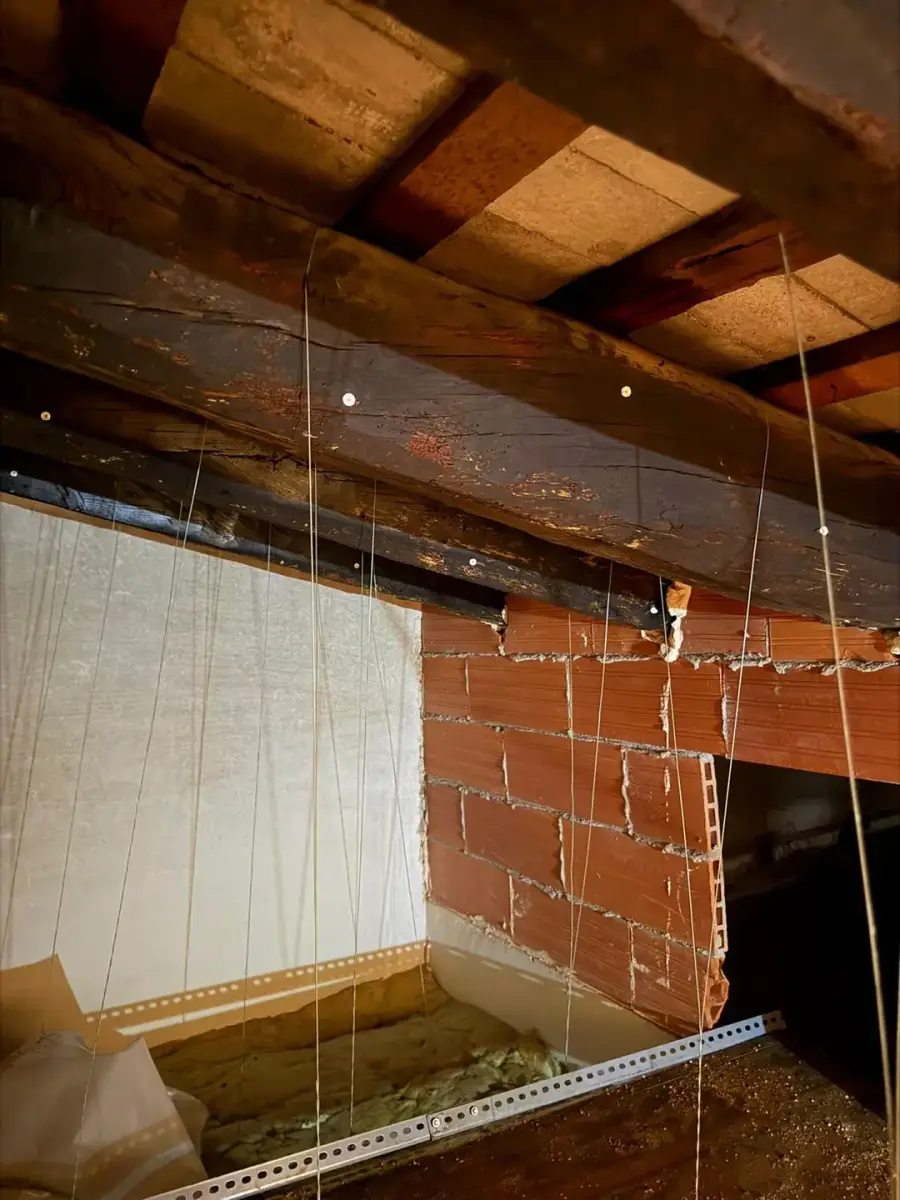
We do not give fixed prices over the phone, because every piece of wood is its own case and we can only judge the real condition at the inspection. If you want to understand which factors affect the cost of a treatment, we go into that in detail there, but the actual figure always comes from the free, no-obligation quote.
Conclusion: act before the wood gives way
Woodworm does not sort itself out, and it will not be beaten by anything off a shop shelf: the longer you leave it, the more galleries the larva digs and the more fragile the structure gets. Keep in mind that the house longhorn beetle can spend up to 12 years feeding away inside before it gives itself away. If you can see sawdust or holes, or the wood feels hollow, it is time for a professional inspection. And if you are about to renovate, read our guide on termites or woodworm before renovating first: varnishing over a beam or boxing it in without treating it only buries the problem and makes the eventual treatment more expensive.
At ERRADICAT our technicians have 15 years of experience treating timber across Barcelona and Girona. We are registered with the ROESP, our technicians hold a biocide applicator's licence and our products are authorised by the Spanish Ministry of Health. Ask us for your no-obligation visual inspection: we assess the real state of your beams and furniture and give you an honest answer on what your wood actually needs.